

From creative projects with young people to recovery after wildfire, discover how communities and conservation partners are making space for nature across the Island.
Contents
Jump to a story or section
Sanderling stories as winter birds return
Supporting the Island’s breeding Oystercatchers
Further populations of rediscovered wolf-spider
Growing plants for recovery
A long-awaited arrival - swift update
Nature News and Partner updates
Big Chalk funding for nature recovery
£50,000 fund for the Island’s rivers
New fund for practical nature recovery in the Solent
Planning for nature on the Island
Find your next action for nature - nature recovery toolkit
Connecting Island farmers with advice and support
Island nature priorities shape Green Impact
Nature Recovery in Action
Headon Warren after the fire
The wildfire at Headon Warren on 23rd July destroyed nine hectares of lowland heathland during a heatwave following prolonged drought. Believed to have started from a campfire, it affected around 40% of the site’s heathland.
Fire crews from the Island, Hampshire and Dorset responded, with a specialist helicopter brought in by the National Trust the following day to drop seawater onto inaccessible areas that were still smouldering.
Managed by the National Trust with its tenant farmers at Warren Farm, Headon Warren supports nationally important heathland, limestone grassland and undercliff habitats. Nesting nightjars, Dartford warblers, mining bees and wasps are among the wildlife likely to have been affected.
Much of the burned area remains largely bare. Loss of topsoil and the heather seed bank will slow recovery, and the Trust will monitor the site over the coming years to assess whether intervention is needed. This could include spreading heather brash to reintroduce seed and encourage regeneration.
The National Trust thanks the fire crews, local businesses, residents and tenants who helped bring the fire under control.
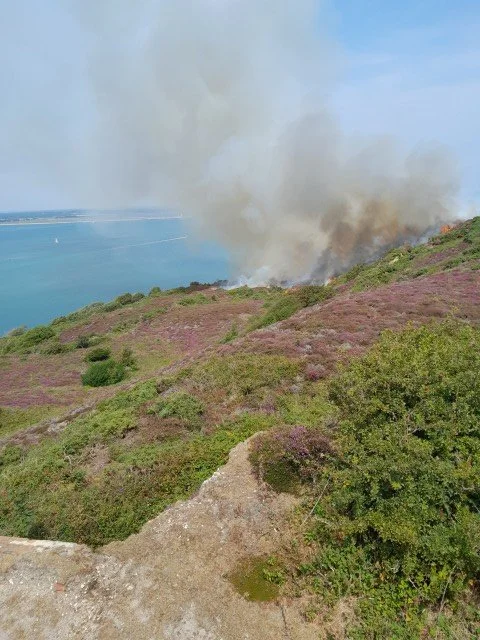
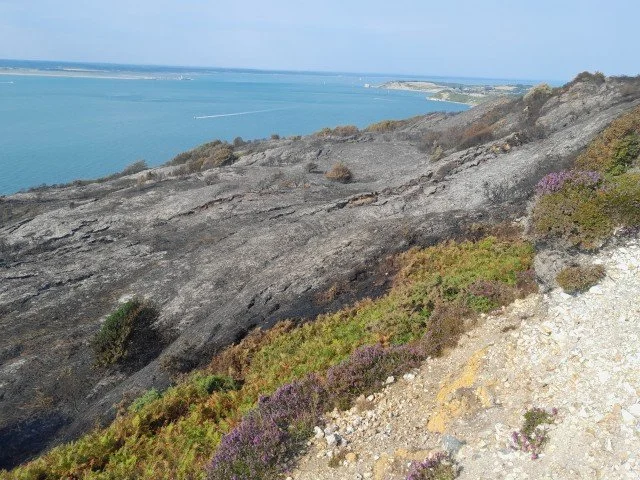
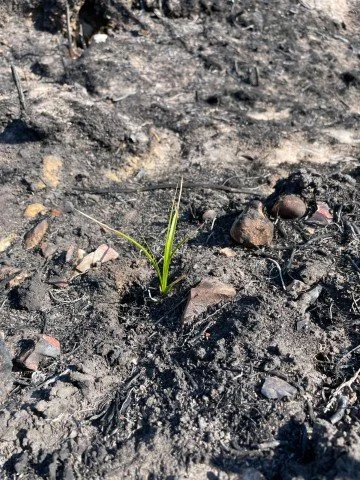
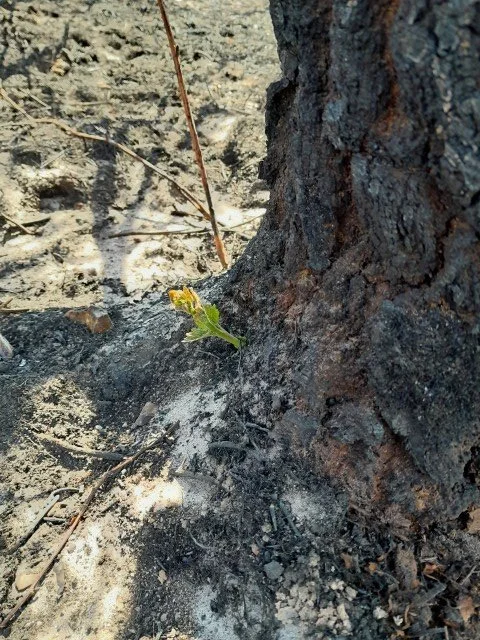
Images courtesy of Paul Davies
Living Shores brings coastal wildlife into public art
A new nature and arts project is connecting young people with Ryde’s shoreline wildlife, with plans for public artwork at Ryde Esplanade.
Supported by the Community Rail Partnership, Living Shores: The Sea that Joins Us celebrates the Isle of Wight Biosphere's coastal heritage and wildlife, with a particular focus on Ryde Sands and its Sanderlings.
Artists Spike Oatley and Joanne Kori are working with Year 6 pupils at Dover Street and Greenmount Primary Schools. The programme began with introductions from The Common Space to biodiversity, the Biosphere, the Local Nature Recovery Strategy and Ryde’s wildlife, in schools and at the Community Rail Partnership’s annual community event.
The project will create large sculptural relief panels for railings overlooking the railway line at Ryde Esplanade. Featuring Sanderlings and other coastal wildlife, the panels will incorporate an Artecology-influenced bioreceptive finish. An interpretation board and QR code will connect visitors with the featured wildlife and wider conservation work.
A closer look through art
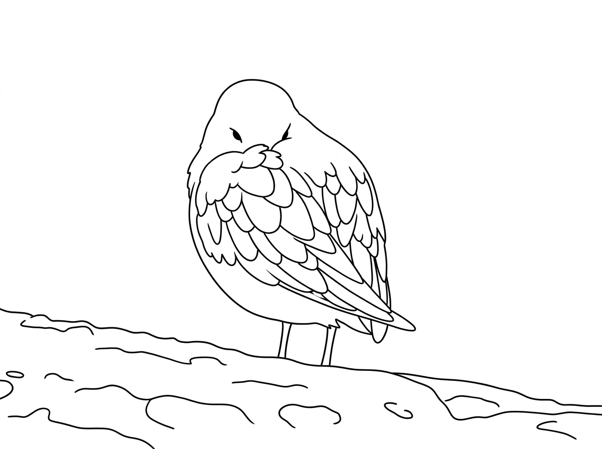
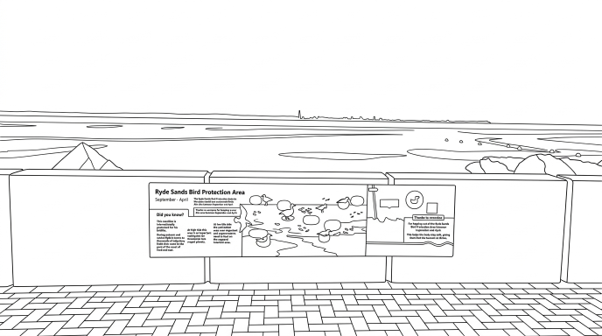
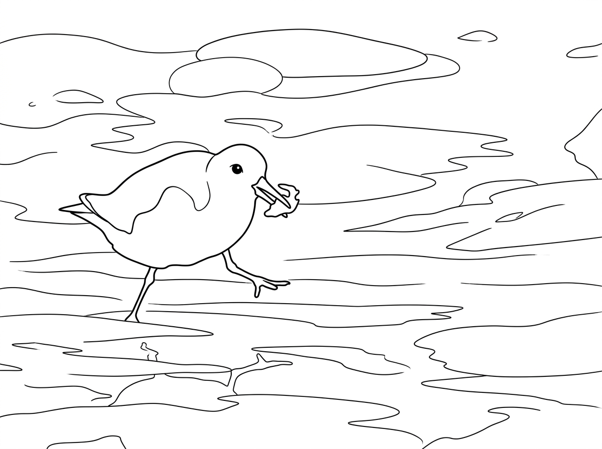
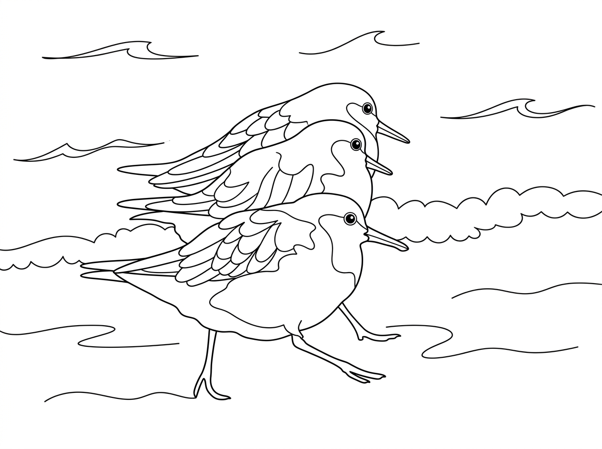
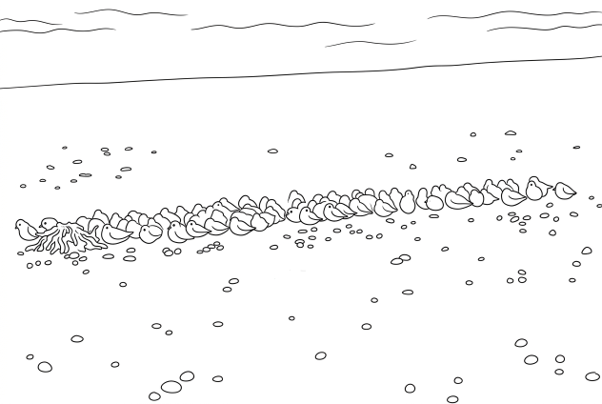
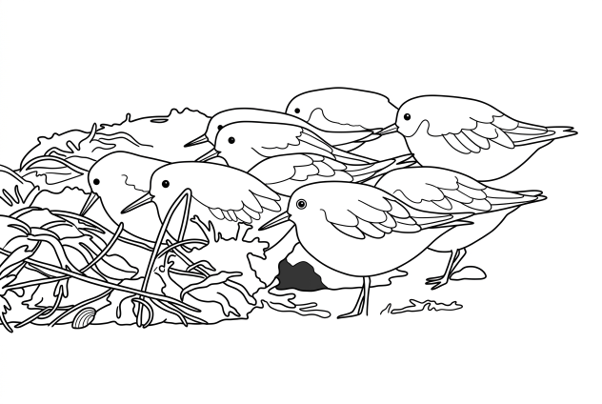
Joanne Kori has also translated shoreline bird photographs into line drawings for pupils at Greenmount. The illustrations capture birds feeding, resting and taking flight, alongside views of Ryde Sands and its wildlife protection signs.
Seen beside the photographs, the drawings offer a way to explore the birds’ shapes, feather patterns and behaviour, connecting creative activity with the coast on the pupils’ doorstep.
Godshill Scouts make space for nature
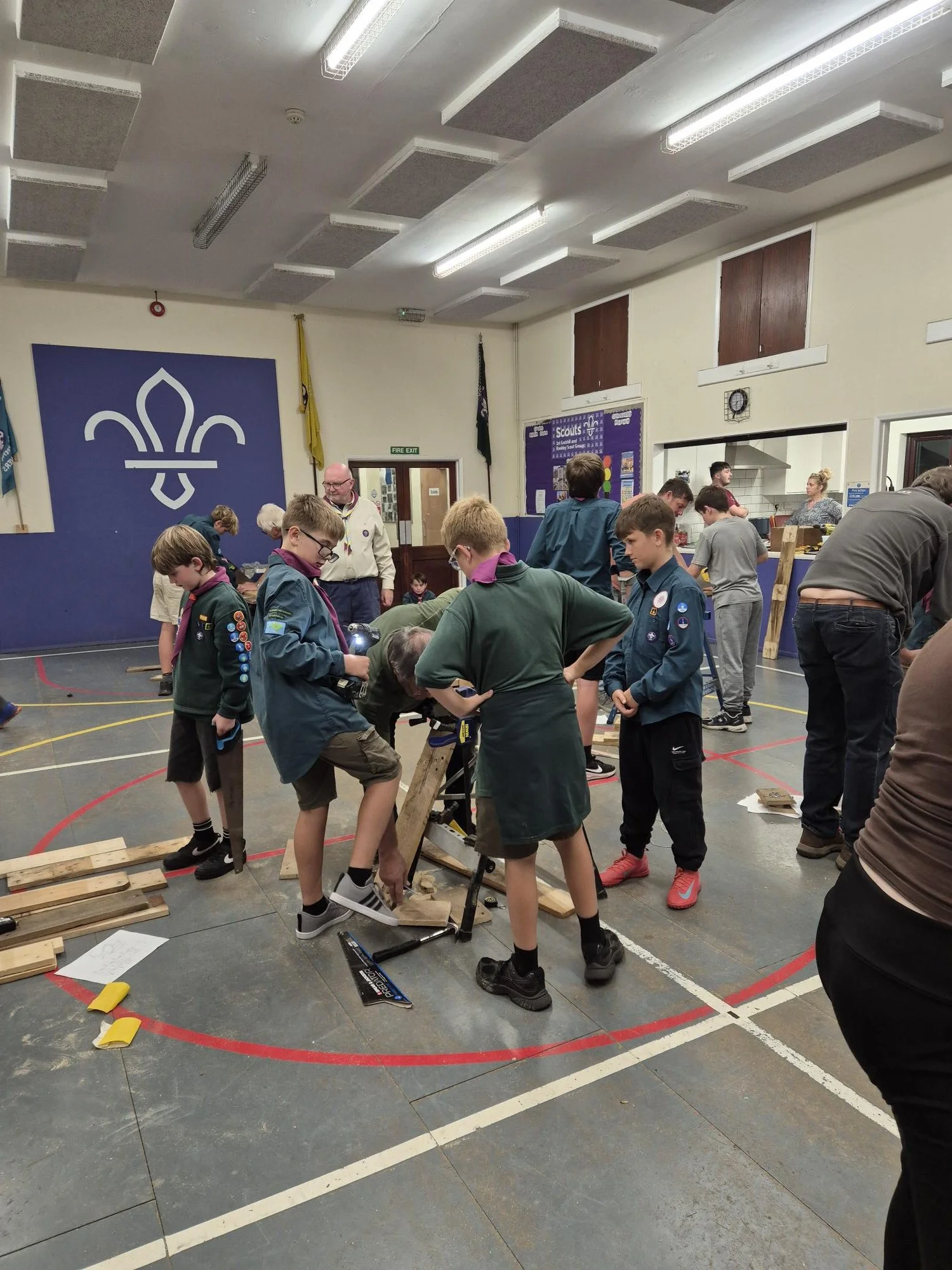
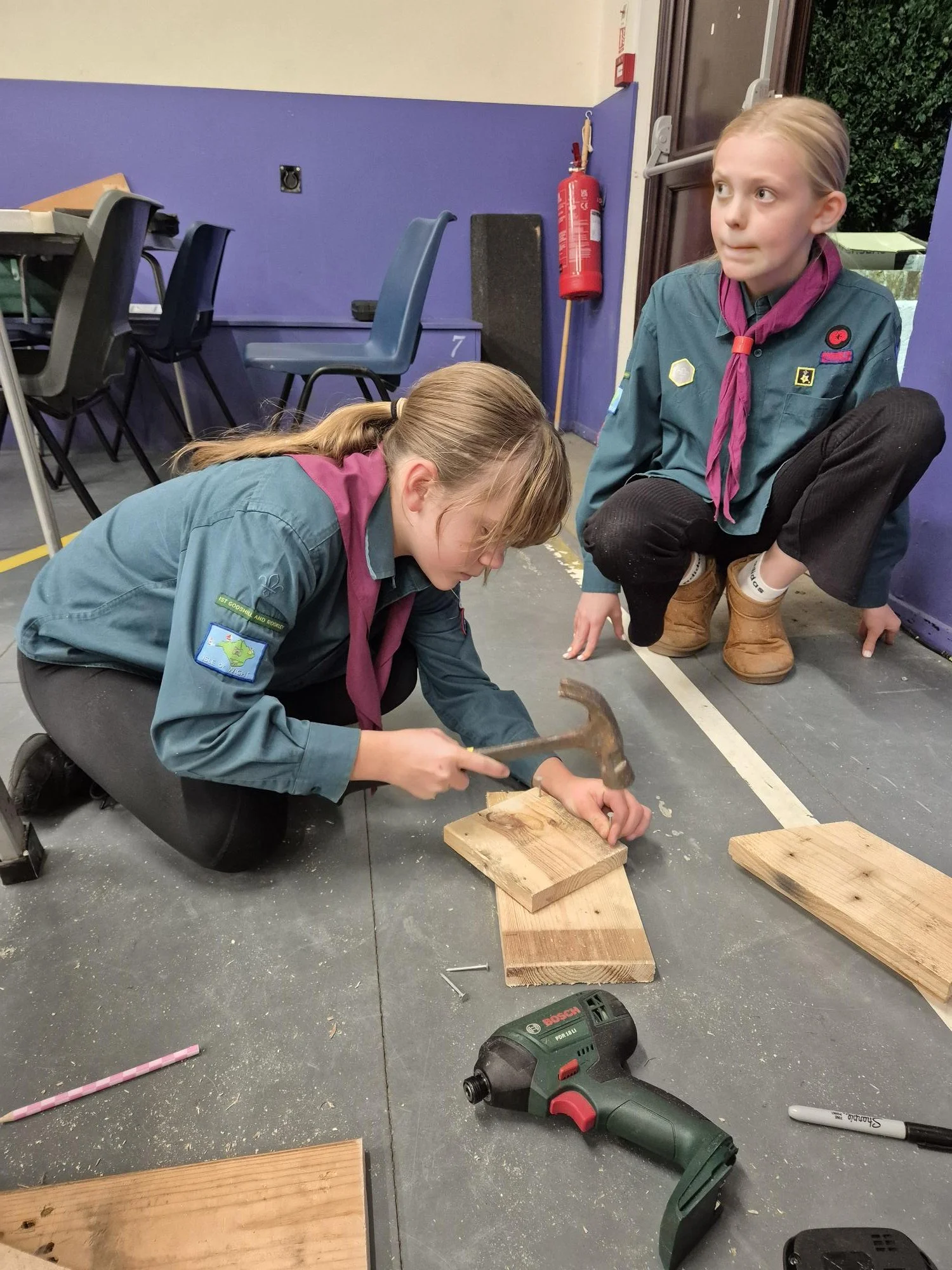
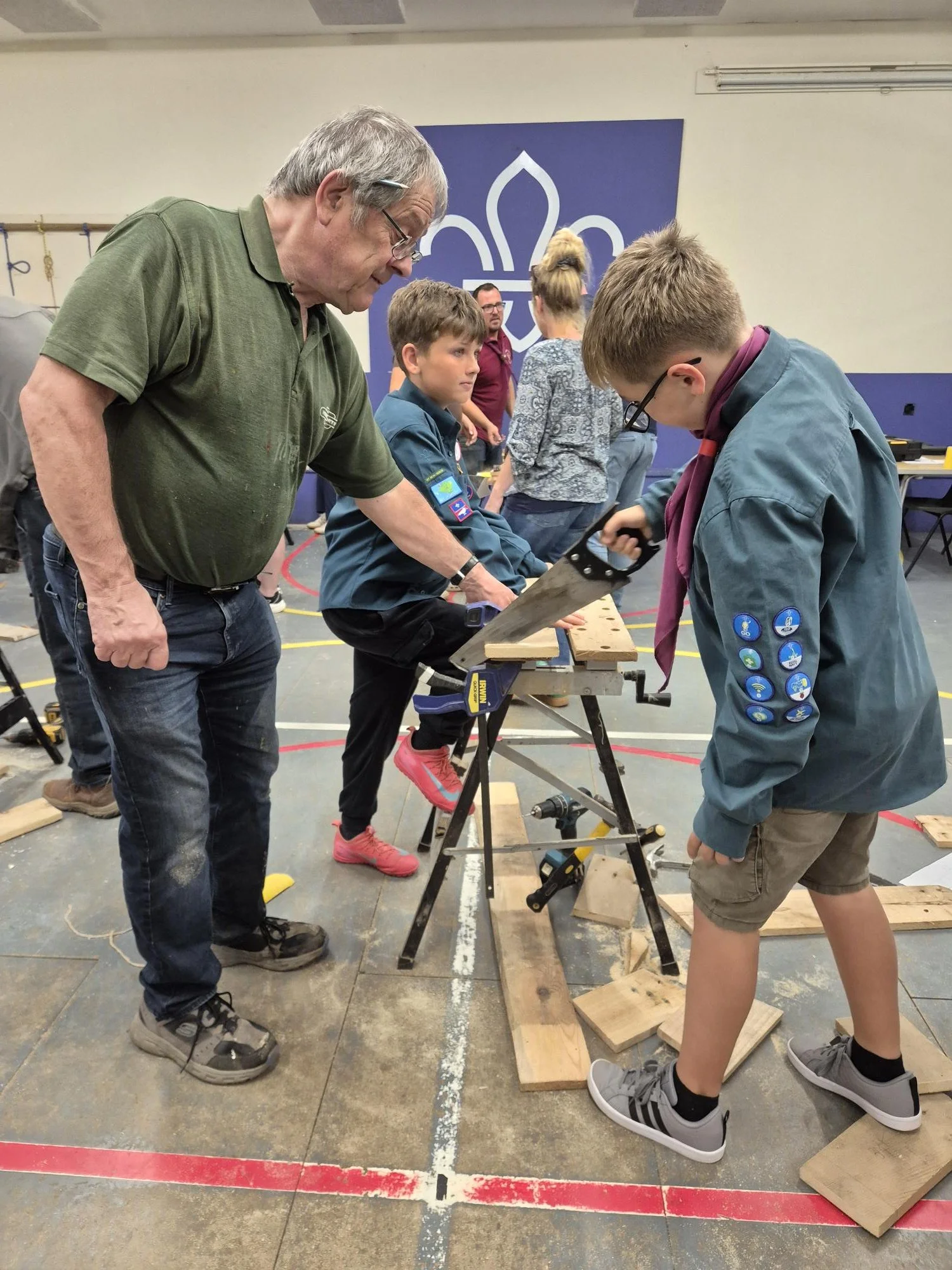
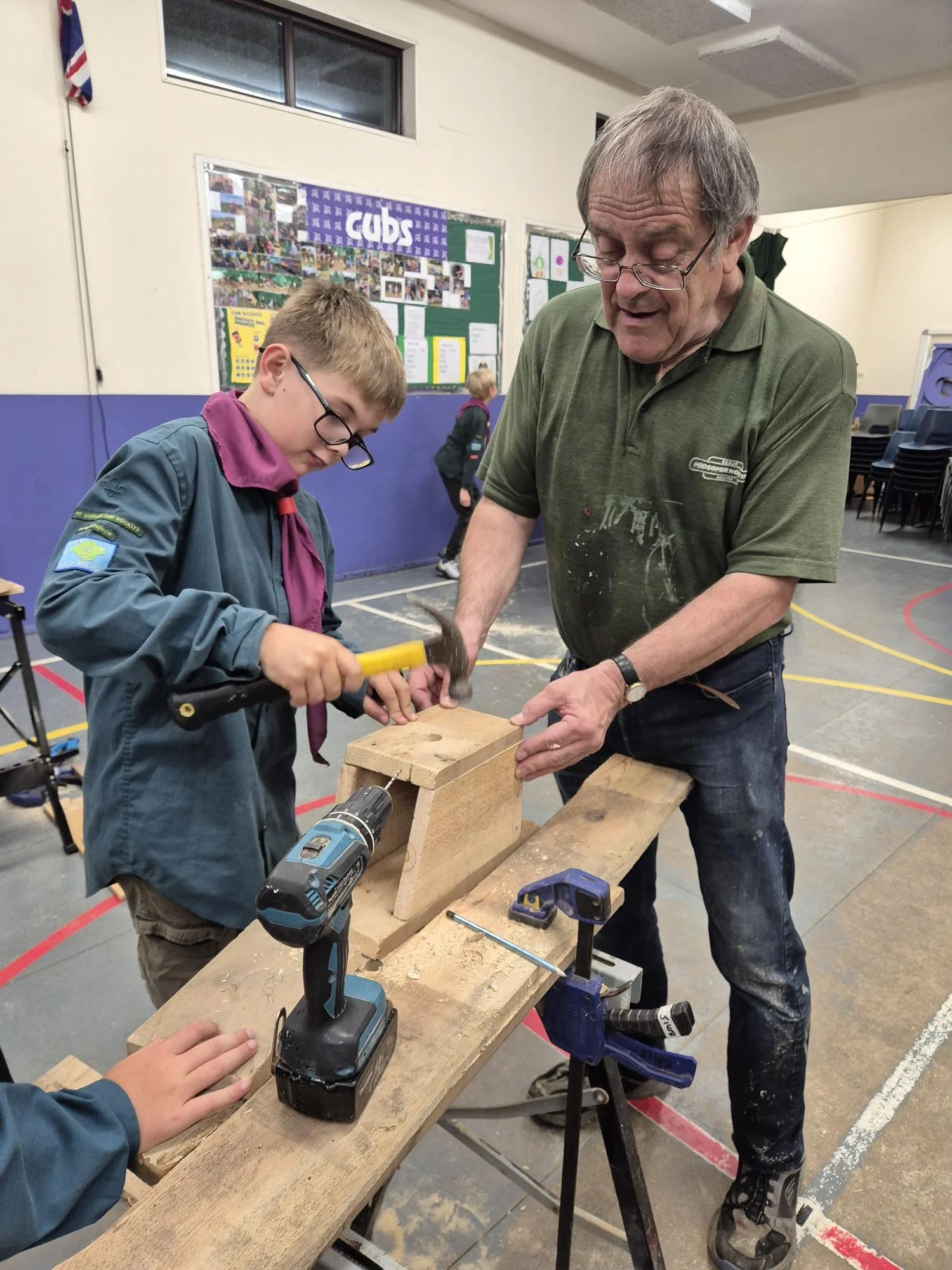
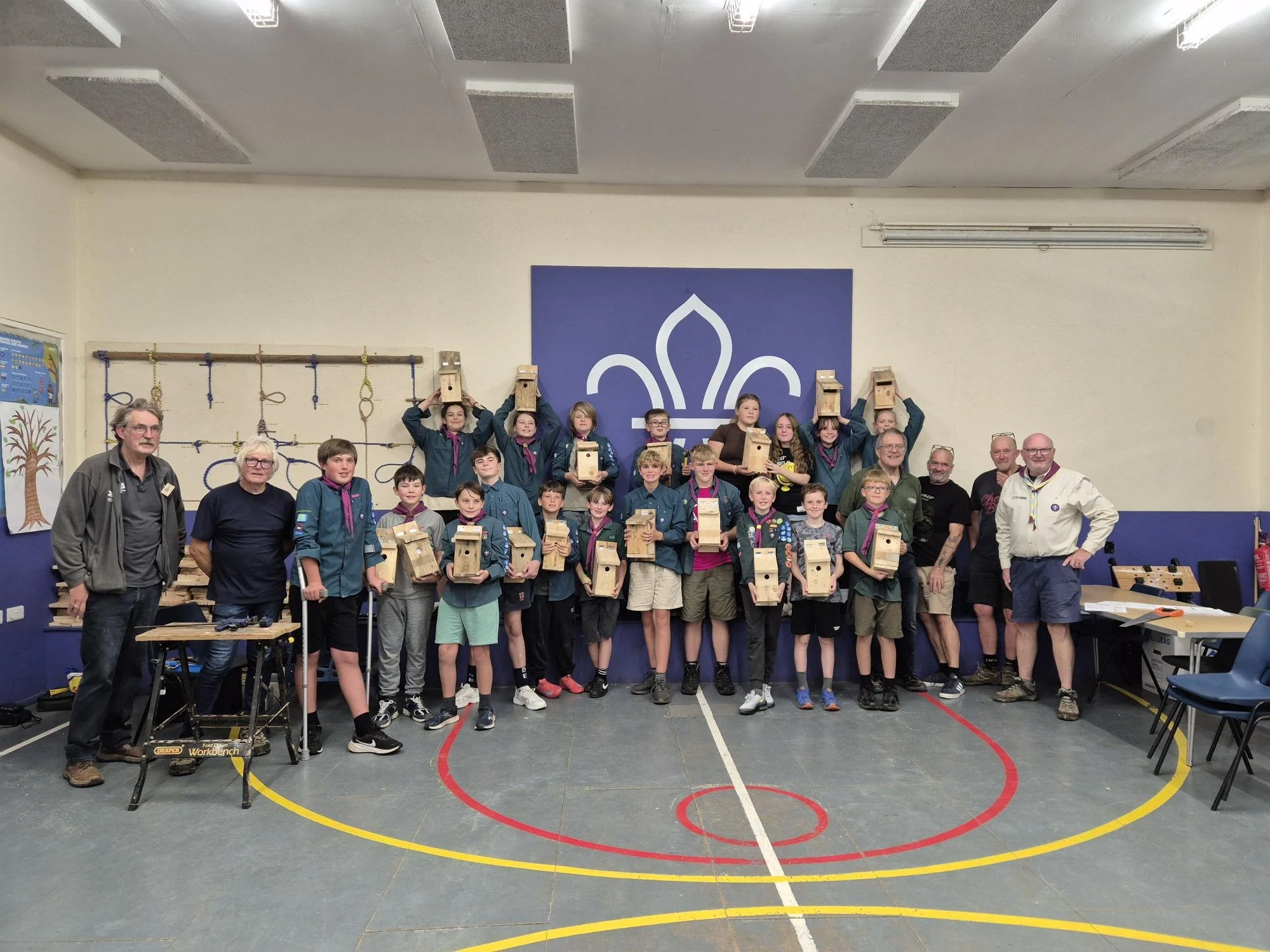
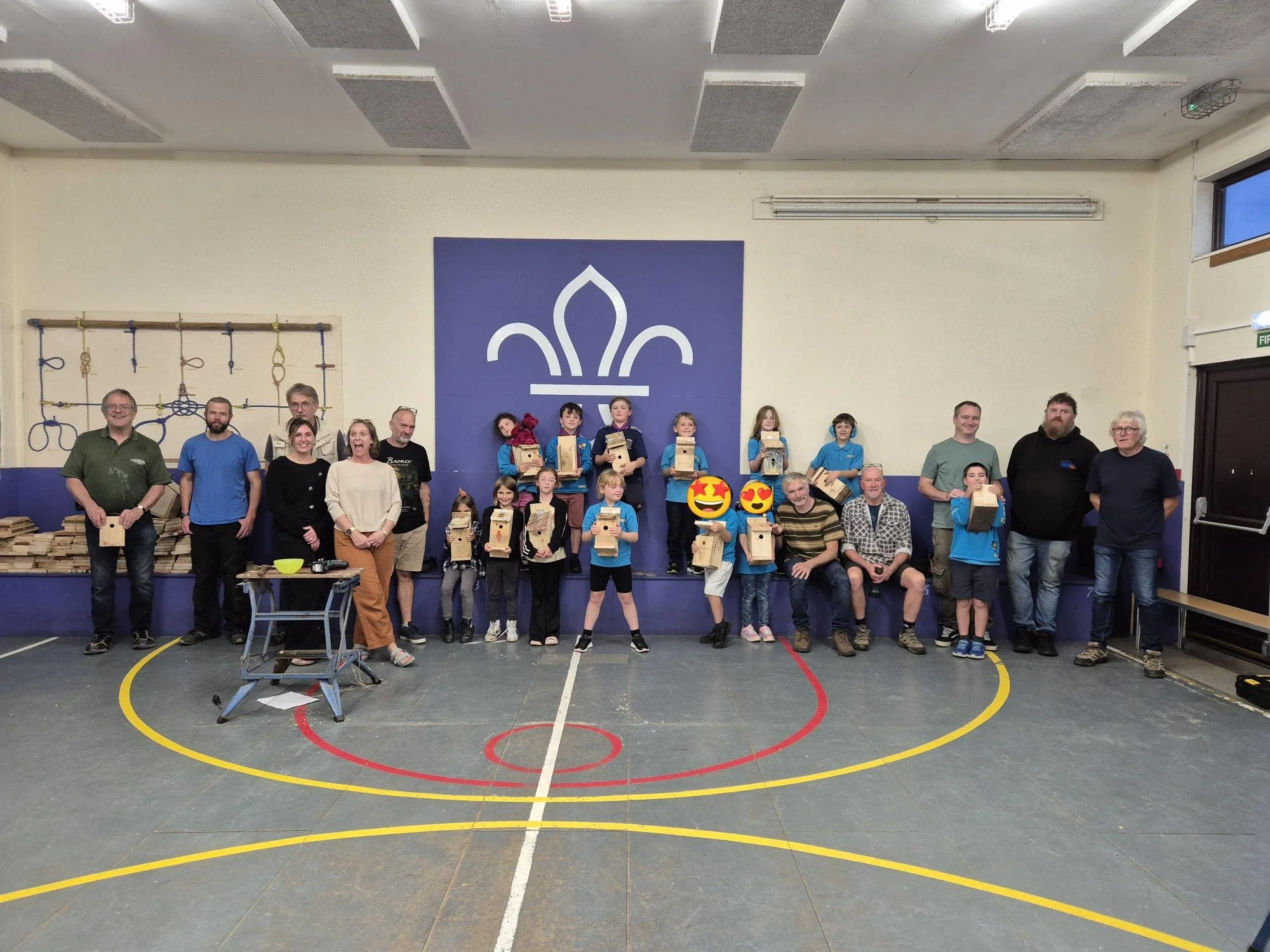
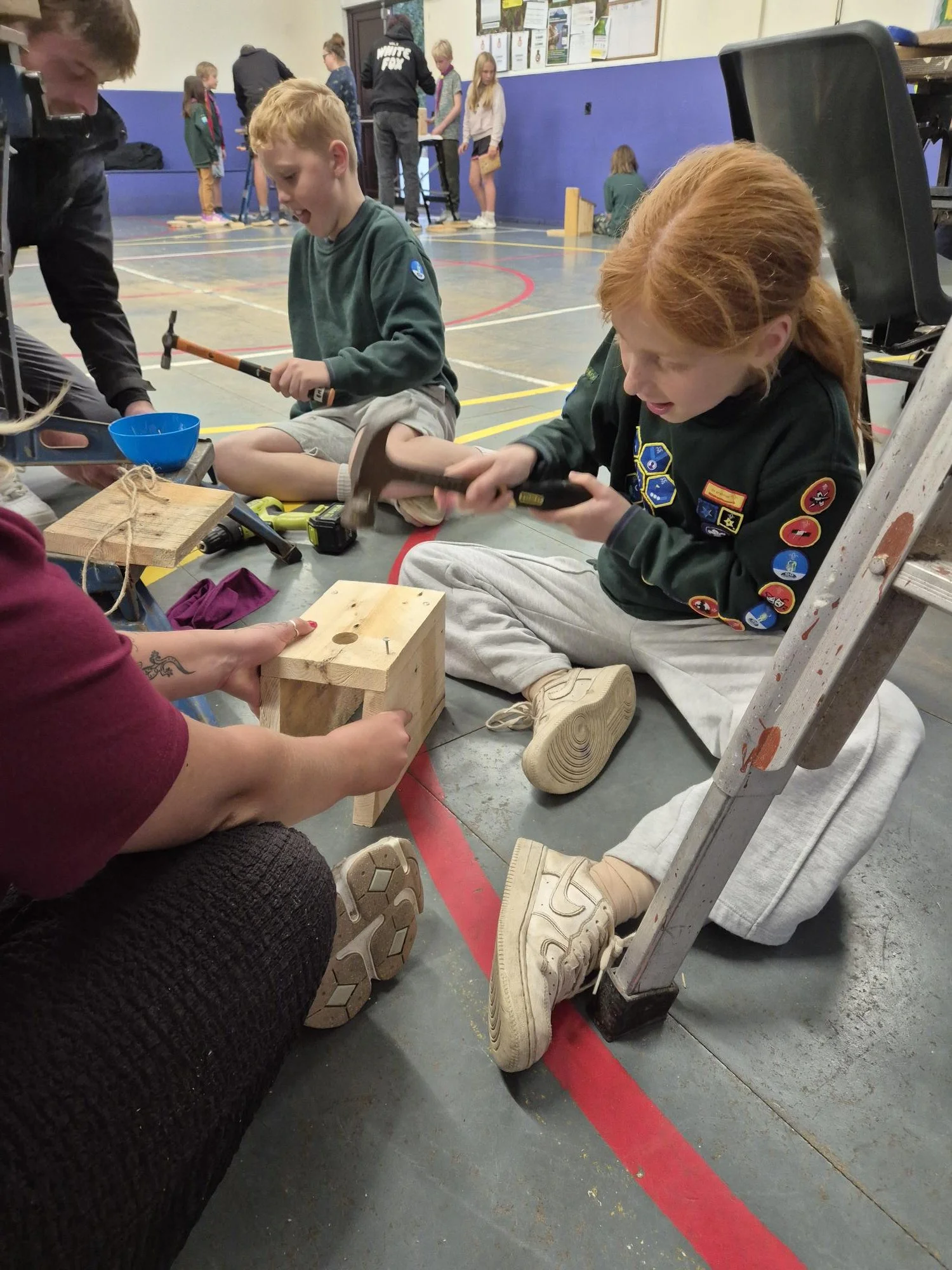
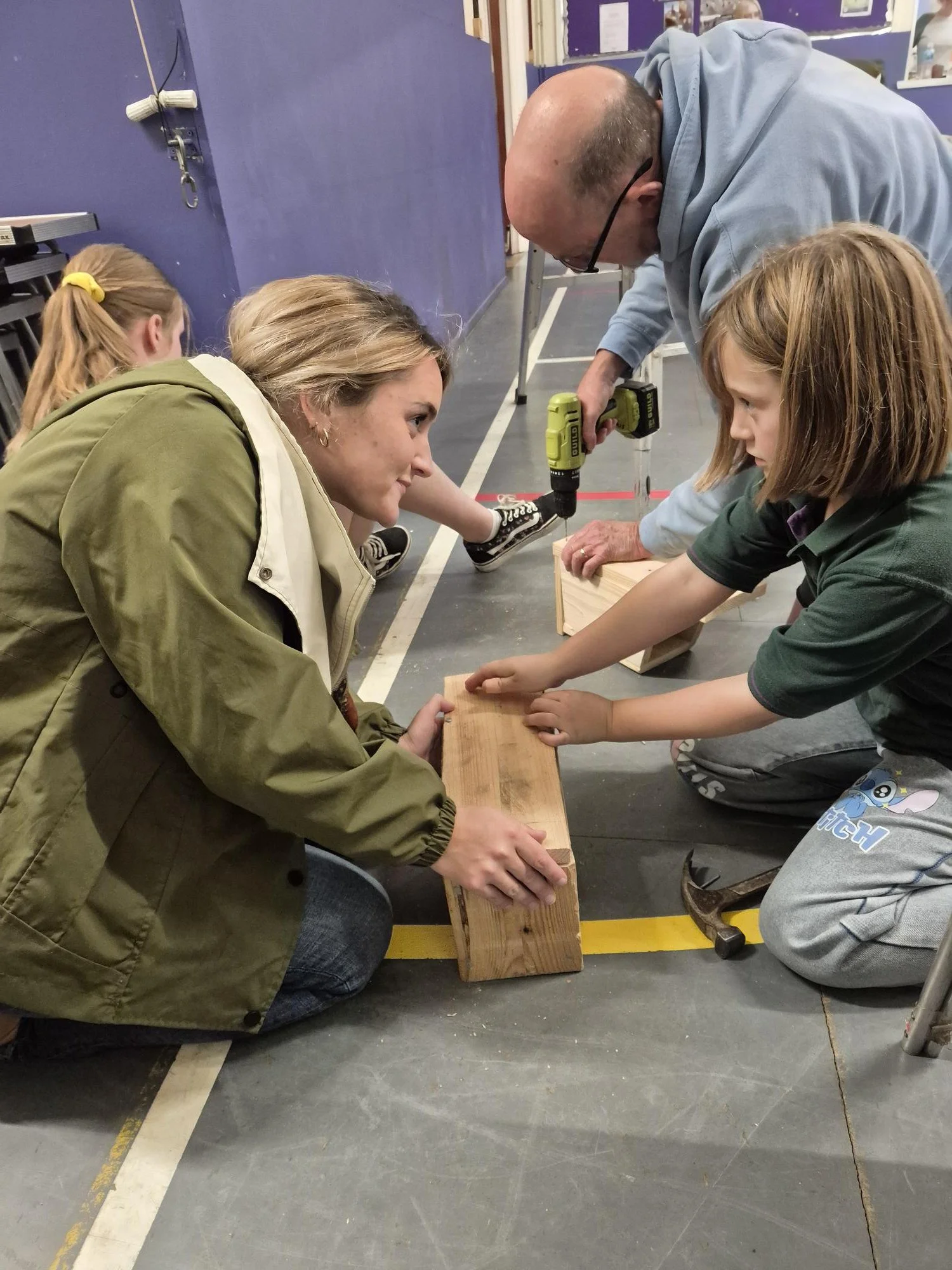
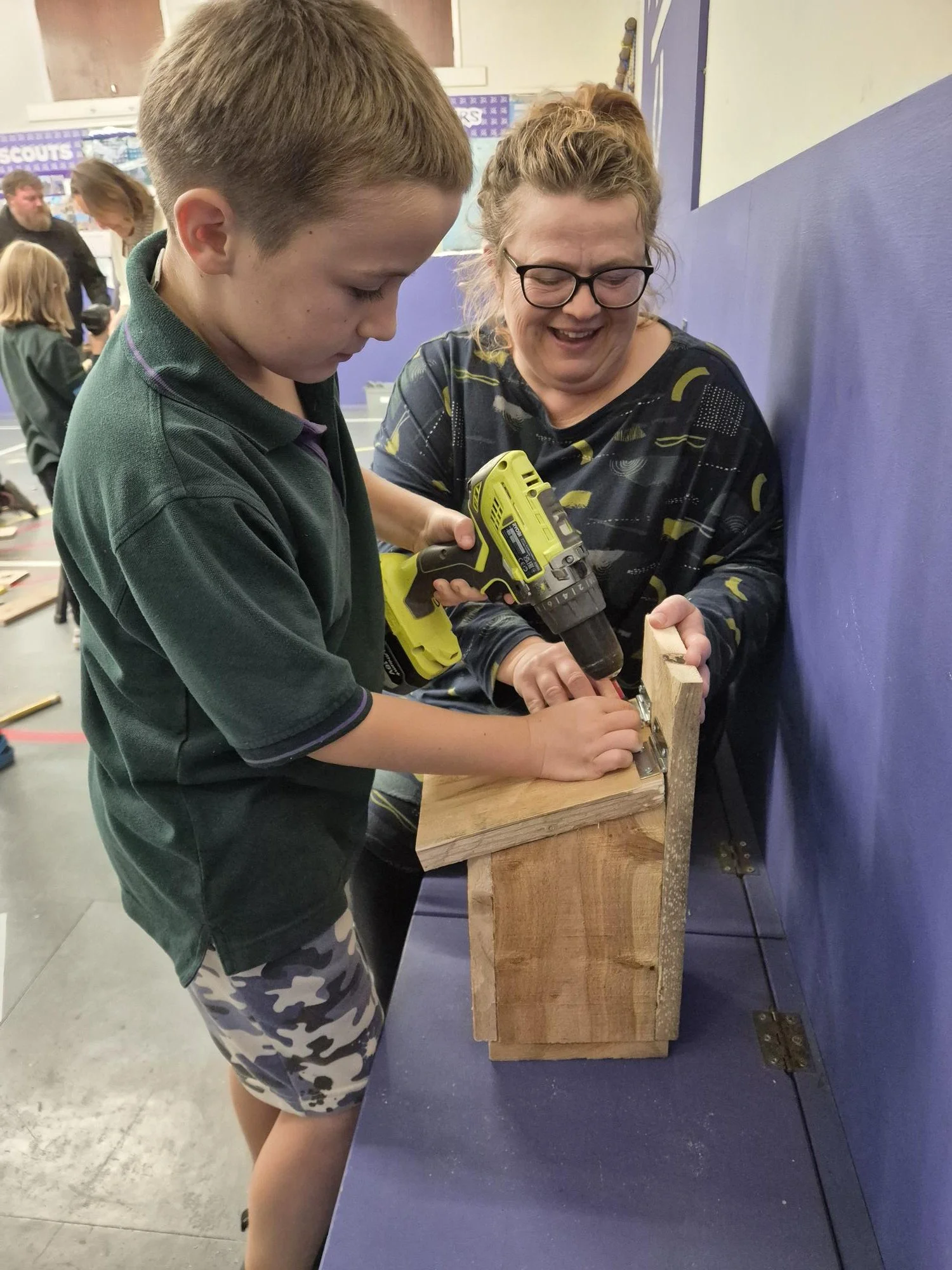
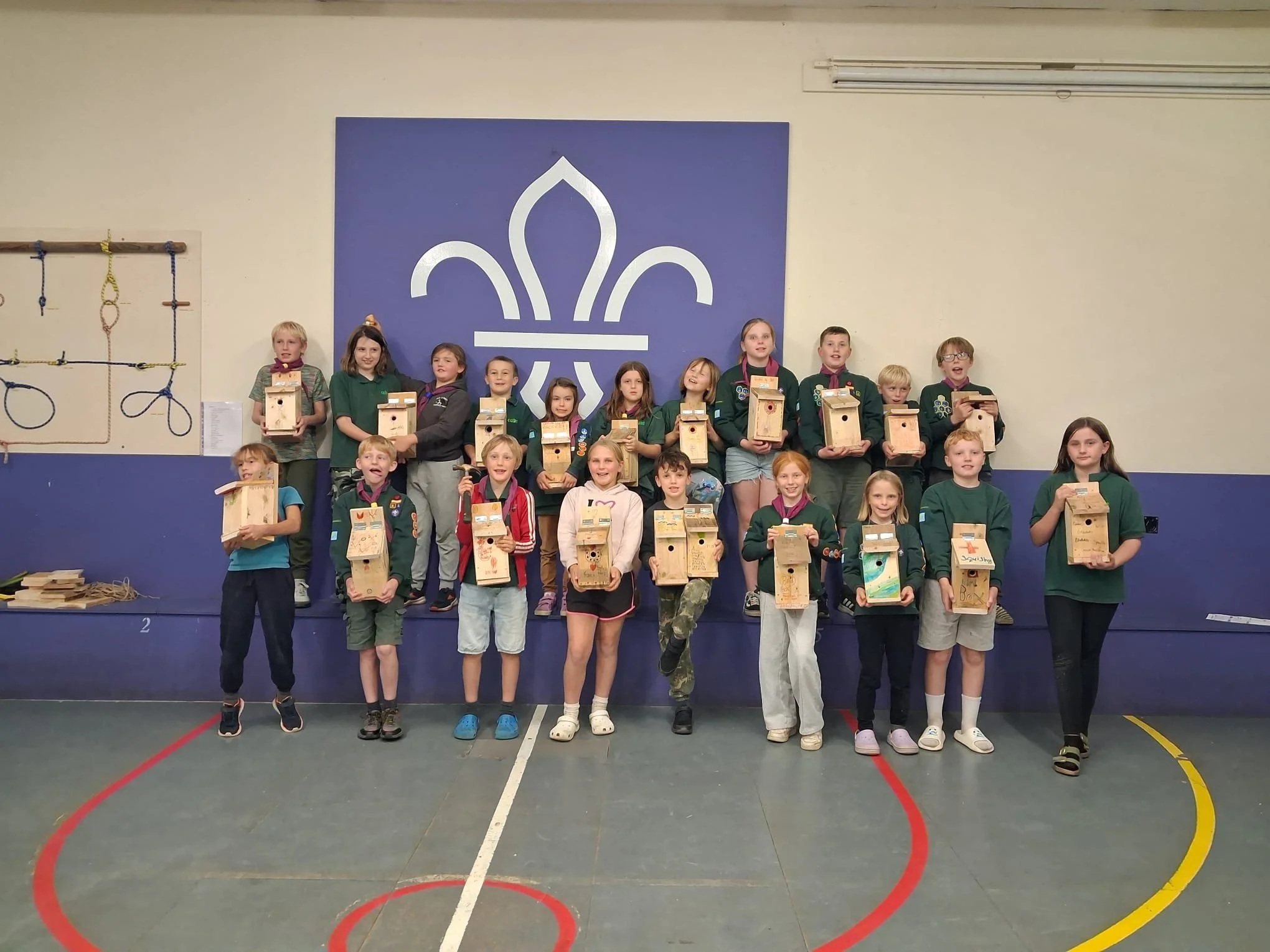
Around 75 young people from 1st Godshill Scouts have built bird boxes using Wildlife Trust designs and reclaimed pallet wood, in a project inspired by the Greening Campaign’s Spaces for Nature initiative. Volunteers from Brighstone Men in Sheds joined leaders, parents and community helpers to support the sessions. The activity combined woodworking skills with practical action for wildlife, supporting the Island’s Local Nature Recovery Strategy. The group has created a bird-themed activity sheet and is developing a case study to help other Scout groups repeat the project.
Species in Focus
Winter visitors are returning to our shores, while work continues to support the Island’s breeding birds, plants and other wildlife. Here are the latest species stories and recovery updates.
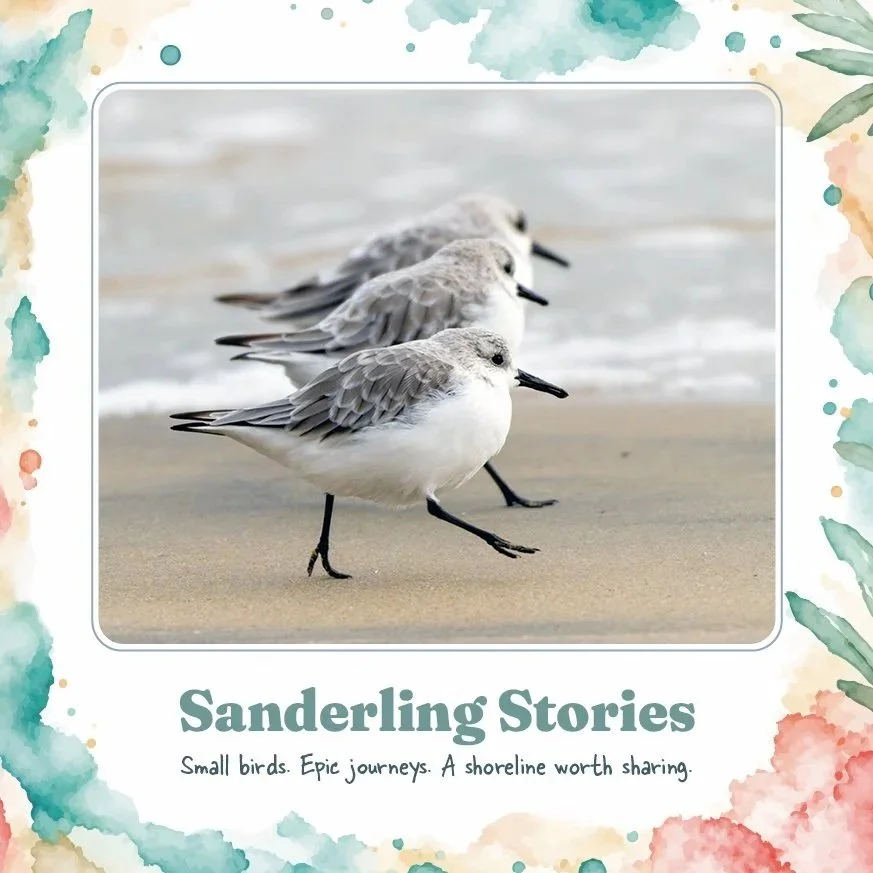
Sanderling Stories as winter birds return
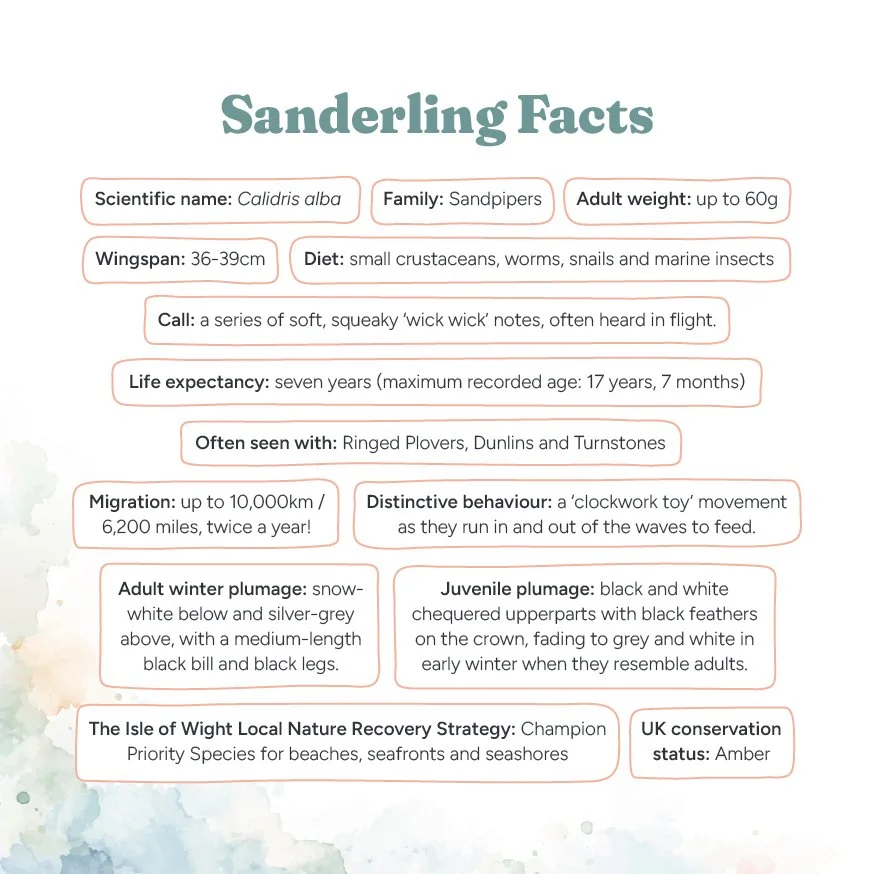
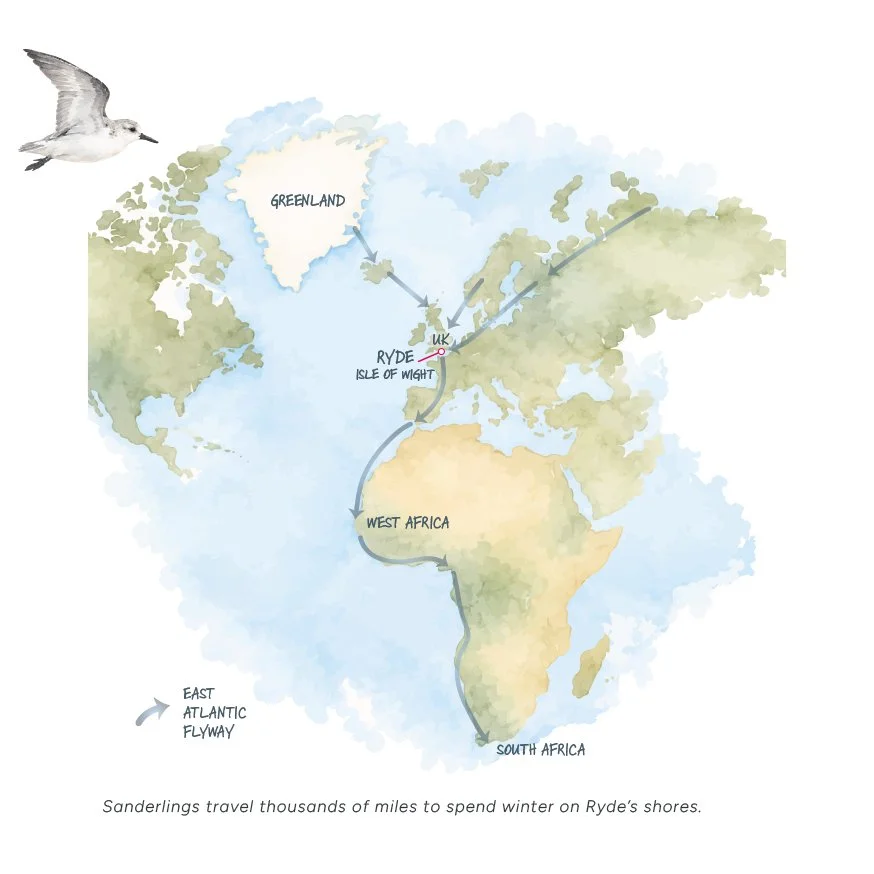
Sanderlings and their shoreline companions are returning to Ryde Sands, where the Sanderling Recovery Project is preparing for another winter of monitoring, public engagement and practical protection.
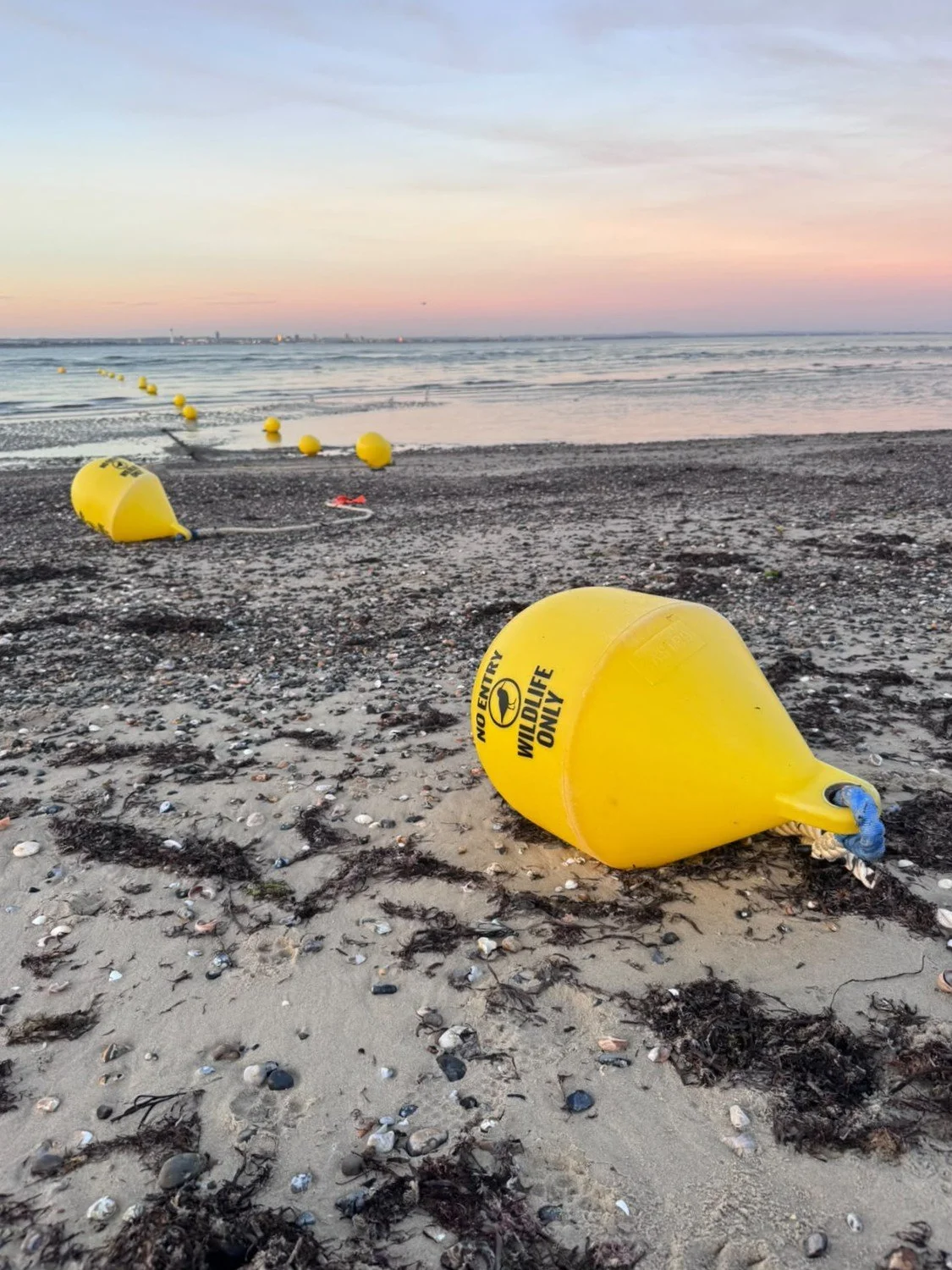
Volunteer recorders are back at their telescopes, while yellow marker buoys carrying “NO ENTRY WILDLIFE ONLY” signs mark the Bird Protection Area, with support from Ryde Marina. Storm gates and boards at Ryde and Hersey have also been closed to help reduce disturbance.
A shared awareness campaign and a new free illustrated Sanderling Stories booklet are helping people discover these birds, understand their journeys and learn how to give them space to feed and rest.
Alongside this engagement, beach profiling and work with transport providers are underway. Partners are exploring how birds use the coastline between Hersey and Seaview when disturbed from Ryde, and how to strengthen a network of places where they can rest undisturbed.
The project team reports a positive public response. Monitoring and community involvement will continue through the winter, building understanding of the birds and the shoreline we share with them.
Find out more through the Sanderling Recovery Project page on Island Nature.
Supporting the Island’s breeding Oystercatchers
Research work being led by Mike Short at the Game and Wildlife Conservancy Council is helping to identify opportunities to support breeding Oystercatchers on the Island. LNP organizations are exploring potential locations for nesting platforms and other practical interventions to boost breeding success, helped by Mike's expert knowledge from projects around the UK.
The Medina and Newtown are known to be important areas for the Island’s breeding Oystercatchers. On the Medina, Oystercatchers have been found nesting in unusual places, including in rope coils on moored boats. Artificial nesting platforms are being explored as an option, drawing on encouraging experience elsewhere in the Solent.
Monitoring and local knowledge will help identify suitable locations and assess whether these measures give more chicks the chance to fledge.
Further populations found of rediscovered wolf-spider
Following the rediscovery reported last year, further surveys have found White-knuckled Wolf-spiders at additional Island sites.
The White-knuckled Wolf-spider (Aulonia albimana) was found at Brickfields, Newtown, in October 2025 by Mark Telfer and Graeme Lyons. The discovery was made during surveys for the National Trust’s Isle of Wight Rare Invertebrates Species Recovery Programme, funded by Natural England.
The species had not been recorded in Britain since 1985, when it was last seen at Jersey Camp Firing Range.
Further surveys have since found additional populations at Ningwood Common and Jersey Camp. These discoveries suggest it may be more widespread on the Island than previously understood, although further monitoring is needed to establish its distribution and conservation status.
The findings highlight the value of specialist survey work in uncovering—and helping conserve—the Island’s rare wildlife.
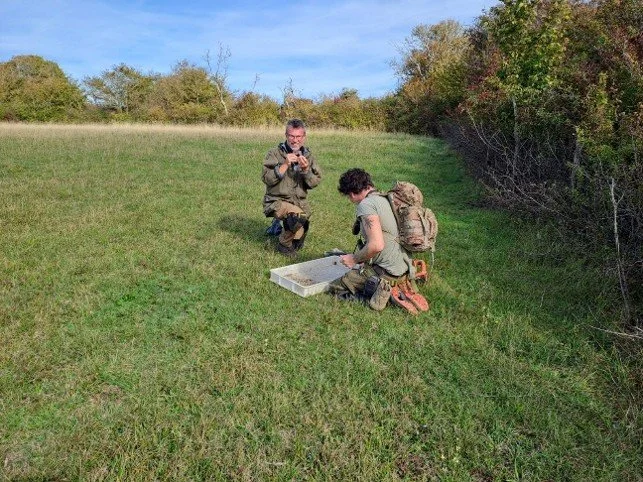
Mark Telfer and Graeme Lyons carrying out invertebrate surveys for the National Trust’s Isle of Wight Rare Invertebrates Species Recovery Programme. Their work has revealed further populations of the rare White-knuckled Wolf-spider. Photo: National Trust.

Growing plants for recovery
Around 200 propagated Black Poplars are ready for planting. Work is also underway through the Reddish Buff Species Recovery Project, alongside Saw-wort seed collection and propagation involving Ventnor Botanic Garden.
A long-awaited arrival
Swift boxes at Freshwater Fields are being used after more than ten years—a welcome reminder that conservation efforts can take time to bear fruit.
Nature News, Funding & Partner Updates
Catch up on the plans, policies, funding and partnership news helping shape nature recovery across the Island.
Big Chalk funding for nature recovery
The Big Chalk Nature Recovery Fund is inviting proposals for capital projects that restore habitats, connect landscapes and support wildlife across southern England’s chalk and limestone landscapes.
With £2 million available for 2026/27, grants range from £1,000–£9,999 for smaller projects to £10,000–£100,000 for larger schemes. Exceptional projects can seek more than £100,000.
Farmers, landowners, community groups, councils, environmental organisations and partnerships can apply. Projects contributing to Local Nature Recovery Strategy priorities are among those encouraged.
Applications begin with an Expression of Interest. There is no single annual deadline, but funding is limited and early submissions are encouraged. Explore the fund and application process.
£50,000 fund for the Island’s rivers
Have an idea to improve a local river or stream? The Island Rivers Catchment Project Fund is open for applications, supporting projects that benefit the Island’s waterways, wildlife and communities.
Hosted by Natural Enterprise and sponsored by Southern Water, the fund welcomes proposals from community groups, individuals, partner organisations, landowners and land managers.
Funding can support habitat restoration, water quality improvements and resilience to flooding and drought. It can also help with community activities, wildlife monitoring, specialist advice and developing ideas into practical projects. Proposals should demonstrate collaboration, clear environmental benefits and measurable outcomes.
A total of £50,000 is available until March 2027, or until fully allocated. Explore the Island Rivers fund and application details.
New fund for practical nature recovery in the Solent
A new Solent Nature Innovation Fund will support smaller community and partnership projects that improve water quality, strengthen catchment resilience and help nature recover.
The Solent Mitigation Partnership has announced a £30,000 first round for 2026/27, aiming to support around six projects with grants of up to £5,000. Exceptional projects delivering significant benefits could receive up to £10,000.
Community groups, landowners and environmental organisations are among those the fund aims to support. Potential projects include wetland restoration, riverside planting, reducing run-off and restoring coastal habitats, with an emphasis on practical delivery and testing nature-based solutions.
The fund was announced as opening soon at October’s Solent Forum meeting, with a simple Expression of Interest process planned. Read about the fund in the Solent Forum presentation.
Planning for nature on the Island
The Isle of Wight Council adopted the Interim Island Planning Strategy on 16th September 2026. It now provides the main planning framework for the Island, with explicit links to the Local Nature Recovery Strategy.
Nature recovery in the adopted plan
Policy EV2 requires development proposals to align with the LNRS and consider the Island’s ecological network. Tree and hedgerow protection and planting should be informed by LNRS habitat priorities and opportunity mapping, while public green and recreational space proposals should also consider the strategy.
The climate change policy asks development to demonstrate how it contributes to LNRS delivery. Together, these policies connect planning decisions with local priorities for nature and climate resilience.
Biodiversity Net Gain
At the September LNP meeting, the Council reported 17 approved Biodiversity Gain Plans and five Island habitat banks registered nationally. At that point, developments requiring BNG had secured their gains on site or through Island habitat banks, without needing statutory biodiversity credits.
Find your next action for nature
Looking for ways to help wildlife in your garden, community or workplace? The Nature Recovery Toolkit offers a practical starting point, connecting local action with the Isle of Wight’s Local Nature Recovery Strategy.
Explore the toolkit to find ideas for making more space for nature.

Connecting Island farmers with advice and support
Wight Rural Hub is bringing Island farmers together to discuss practical challenges, funding and the future of their businesses.
Its September Farmer Update Meeting at the Chequers Inn brought farmers face to face with representatives from Defra, the Rural Payments Agency, AHDB and Catchment Sensitive Farming. Discussions covered environmental schemes, drought and water resilience, alongside questions about applications, future agreements and support for younger farmers.
A Farm Support Hub at the Godshill Ploughing Match provided another opportunity for informal advice and conversation.
The Hub is also progressing its Women in Farming programme following a positive response to its farmer survey, and developing further activities around drought and livestock health.
For information about local support, visit Wight Rural Hub.
Island nature priorities shape Green Impact
The Isle of Wight’s Local Nature Recovery Strategy is helping shape Green Impact, the national sustainability scheme for businesses and organisations.
Working with the Island Nature team, the Council’s Amelie Owen and SOS UK, the scheme’s toolkit and biodiversity actions have been expanded to reflect the Island’s LNRS. The changes will help businesses take meaningful action for wildlife at work, at home and in their local communities.
The Common Space is sponsoring the programme for 2027, with a new Island Nature Award recognising businesses making the biggest contribution to biodiversity.
The Island’s approach is also informing the national scheme, which will introduce an action encouraging participants to explore and connect with their own Local Nature Recovery Strategy.
Green Impact relaunch
The relaunch takes place on Friday 13th November, 3–4.30pm, at Building 41 in Cowes and is open to all Island businesses and organisations. Those planning to attend are asked to register by Sunday 8th November to help with catering. Link to form.
Events and Opportunities

Discover opportunities to record wildlife, share your discoveries and help shape next year’s Biosphere Festival.
Isle of Wight Recorders’ Conference
The Isle of Wight Natural History & Archaeological Society’s annual Recorders’ Conference takes place on Saturday 7th November, from 1.30pm at Haseley Manor, Arreton.
Bringing together Society members, local species recorders and wildlife enthusiasts, the afternoon offers presentations, opportunities to share discoveries and a chance to catch up over tea and cake. View the conference details and programme.
Discover more with the Isle of Wight Natural History & Archaeological Society
Enjoy wildlife sightings, recording updates and forthcoming events in the Society’s Recording Now newsletter. If you’d like to get more involved in understanding and recording the Island’s wildlife, consider joining the Society to enjoy talks, guided walks and opportunities to learn about the Island’s wildlife, geology and archaeology.
Green Impact Relaunch
Friday 13th November 3–4.30pm, Building 41, Cowes. Open to all Island businesses and organisations. Registration is requested by Sunday 8th November for catering purposes. Those planning to attend are asked to register by Sunday 8th November to help with catering. Link to form.

Join the Great Nut Hunt
Help uncover where the Island’s small mammals live by searching for the clues they leave behind.
Running until 21st November, the Great Nut Hunt invites people to collect gnawed hazelnut shells. The distinctive tooth marks can reveal whether dormice, wood mice, bank voles or squirrels have been feeding nearby.
Illustrations by Lucia Para
Pick up a survey pack, visit one of the suggested woodlands, and return your nuts with the completed survey sheet. If you cannot identify the marks, you can still submit your finds.
Packs are available from participating Island libraries, the National Trust visitor point at Newtown Creek, Dimbola Museum and Galleries, Brading Roman Villa and Calbourne Water Mill. Check opening times before visiting and follow the guide’s advice on access and avoiding disturbance.
There is also a small mammal talk at Ryde Library on Wednesday 18th November, 5–6pm, exploring the animals’ habitats, behaviour and what the survey could reveal.
Isle of Wight National Landscape is organising the project in partnership with the Isle of Wight library service. Visit the Isle of Wight National Landscape website for more information and to download the nut guides and survey form.
Help shape the 2027 Biosphere Festival
The Biosphere Festival returns from 26th June to 4th July 2027, celebrating the Island’s nature, heritage, creativity and communities. Planning an event? The submission deadline is 15th March 2027, but organisers are encouraged to share their ideas as early as possible to help coordinate the programme.
The festival team is also seeking funding support for 2027, with grant options limited. Potential supporters and partners are invited to get in touch with the Biosphere team. Visit the Biosphere Website for more information and subscribe to the Biosphere Newsletter to keep up to date.
Resources for Nature Recovery on the Isle of Wight
Explore the Island’s Nature Priorities
Use these tools to understand what matters most where you live or work:
Island Local Habitat Map – explore priorities for your site
10 Steps to Nature Recovery – simple actions to get started
Local Nature Recovery Strategy Documents – detailed habitat and species guidance
Tools & Practical Guidance
Practical support for land managers, businesses and organisations:
Nature Recovery Toolkit – place-based guidance and actions
Guidance for planners and developers (BNG + LNRS use)
Funding & Support
Explore funding options to support your project:
Wight Rural Hub (funding & support for land managers)
Get Involved & Record Nature
Your records help build the Island’s evidence base:
Connect & Collaborate
Share your work and connect with others across the Island:
Island Nature website (updates & projects)