

Bare Ground



What?
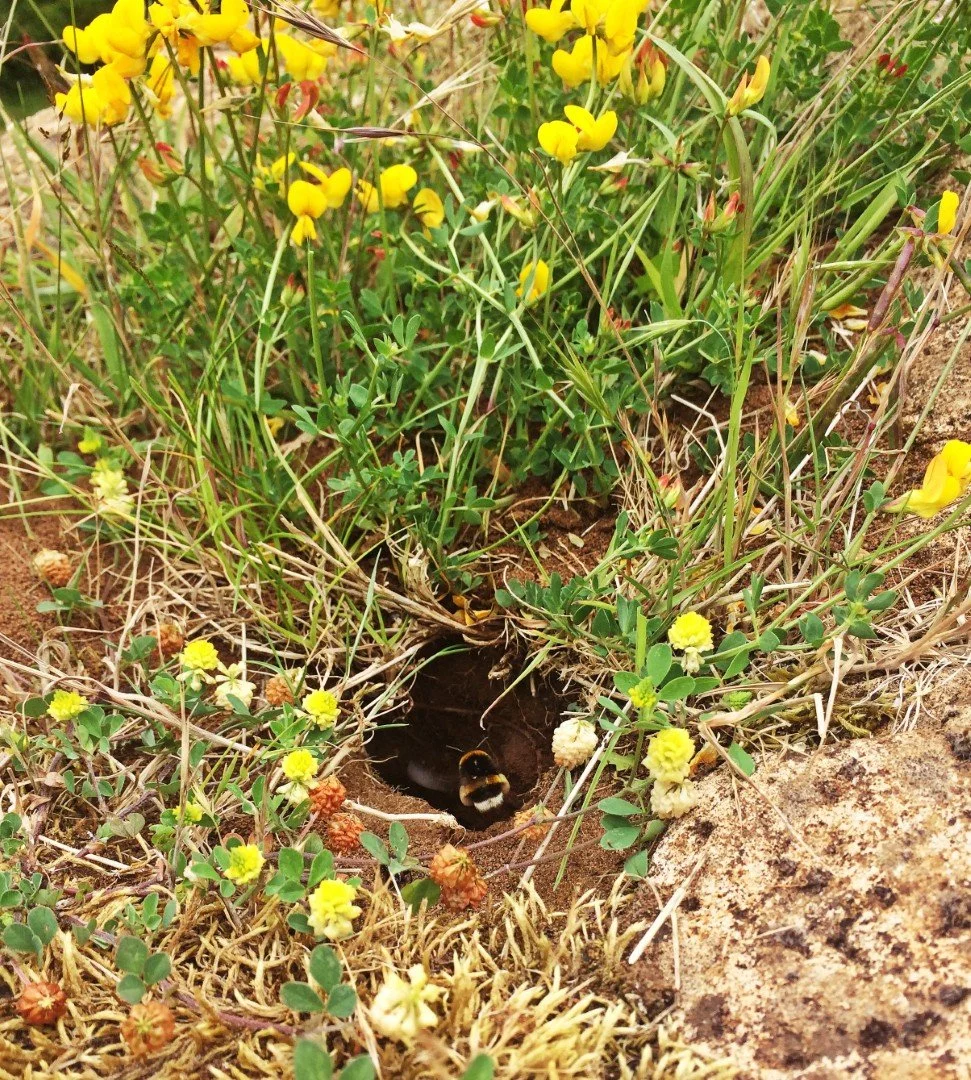
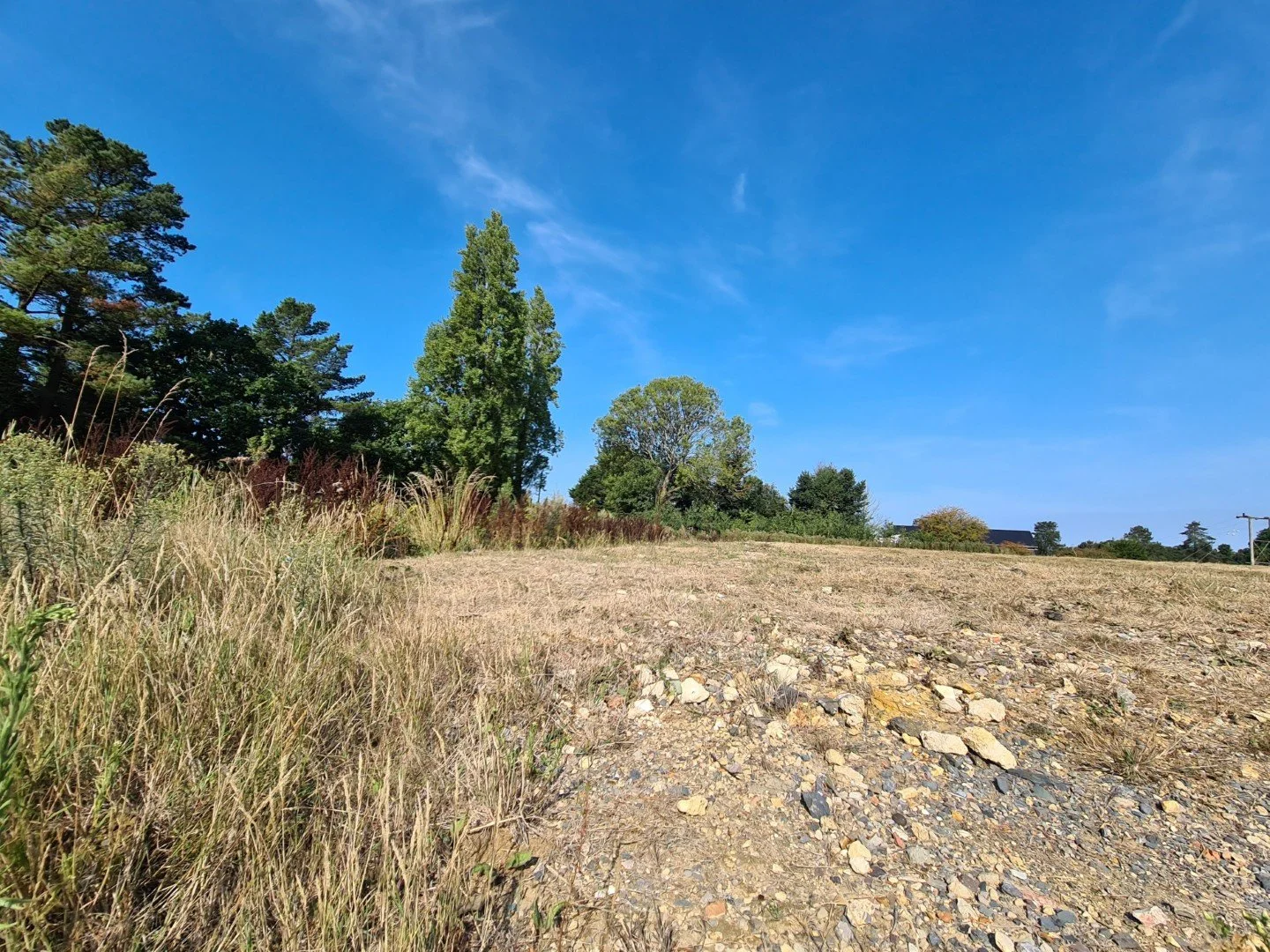
Bare ground is one of the simplest, most valuable and yet most overlooked of our everyday habitats. Exposed soil, sand, gravel, chalk, or rubble supports an extraordinary variety of wildlife, including ground beetles, solitary bees, reptiles, and rare pioneer plants. Many species depend on these open, well-lit areas for nesting, basking, and feeding.
Where?
Everywhere: along tracks, in car parks, on the edges of paths, yards, verges and construction sites. The Island’s mild climate and great geological diversity make bare ground a particularly rich in opportunities for invertebrates and plants. Even small patches in gardens, school grounds or business parks can form vital ecosystems in their own right, as well as creating stepping-stone patches connecting nearby sites. Check out the Isle of Wight Habitat Map, and find out what is particularly special around your garden or space, and this will give you more specific hints and suggestions to help your conservation plans.
How?
Expose small areas of soil or substrate. Lift some paving slabs, loosen compacted ground, or leave parts of paths and car parks unsealed.
Reuse what you have. Break up redundant concrete or tarmac and reuse the rubble as a base for new wildlife mounds.
Add variety. Different materials (soil, sand, chalk, gravel) and moisture levels suit different species — a mosaic is best.
Let plants come and go naturally. Early colonisers such as dandelions, plantains and yarrow provide pollen and cover; avoid turfing or spraying.
Keep disturbance light. Occasional scraping or turning mimics natural processes and helps maintain open conditions without overgrowing.
Combine with other habitats. Bare areas near log piles, planters, or sunny walls boost ecological function and attract even more species.
When?
You can create or uncover bare ground at any time of year. Late autumn and winter are ideal for heavier work, but leaving patches open through spring and summer allows nesting insects and basking reptiles to use them immediately. Try to maintain a healthy proportion of open ground within your projects every year; but it doesn’t have to be exactly the same patch each time.
Why?
Bare ground helps to complete the local delivery of life-cycle resources for many species of animal and plant. It’s essential for many pollinators (including damp or boggy bare ground for egg-laying hoverflies), supports natural pest control, and helps rainwater soak into the soil rather than running off hard surfaces. Valuing these ‘ordinary’ patches of ground as generators of biodiversity gain brings nature into the heart of working and living spaces — visible, accessible, and easy to care for.
Actions for Isle of Wight Species
Solitary bees, such as the Small Scabious Mining Bee, nest in bare soil.
Butterflies and common lizards use open ground for basking and egg-laying. The Grizzled Skipper butterfly is a Champion species that relies on areas of bare ground.
Ground beetles hunt among rubble, gravel and soil mounds, controlling pests naturally.
Rare plants including many mosses, lichens, and annual herbs colonise disturbed ground, in chalk, sand and clay (don’t forget that building sites can provide all three!).
Observe and Record
Take photos before and after — even a few months apart shows change and allows you to monitor progress and adjust your actions accordingly.
Note what wildlife visits: and where it chooses to go, this will help you to adjust and improve the quality of the habitats you are creating.
Watching your patch change is part of the recovery story, and your records can feed into the Island’s Local Nature Recovery data. Let people know what you are doing, and why, and share your successes!
Resources
Buglife – Habitat Creation for Solitary Bees
Bumblebee Conservation Trust – Gardening for Bees
Butterfly Conservation – Creating Bare Ground for Butterflies
“Links to LNRS measure LGH1.7, which promotes exposed and skeletal ground as vital invertebrate habitat: LGH1.7 Excavated Features in Chalk, Sand and Clay | LGH3.1 In-Forest Grassland Conservation ”