From creative projects with young people to recovery after wildfire, discover how communities and conservation partners are making space for nature across the Island.
Headon Warren after the fire
The wildfire at Headon Warren on 23rd July destroyed nine hectares of lowland heathland during a heatwave following prolonged drought. Believed to have started from a campfire, it affected around 40% of the site’s heathland.
Fire crews from the Island, Hampshire and Dorset responded, with a specialist helicopter brought in by the National Trust the following day to drop seawater onto inaccessible areas that were still smouldering.
Managed by the National Trust with its tenant farmers at Warren Farm, Headon Warren supports nationally important heathland, limestone grassland and undercliff habitats. Nesting nightjars, Dartford warblers, mining bees and wasps are among the wildlife likely to have been affected.
Much of the burned area remains largely bare. Loss of topsoil and the heather seed bank will slow recovery, and the Trust will monitor the site over the coming years to assess whether intervention is needed. This could include spreading heather brash to reintroduce seed and encourage regeneration.
The National Trust thanks the fire crews, local businesses, residents and tenants who helped bring the fire under control.
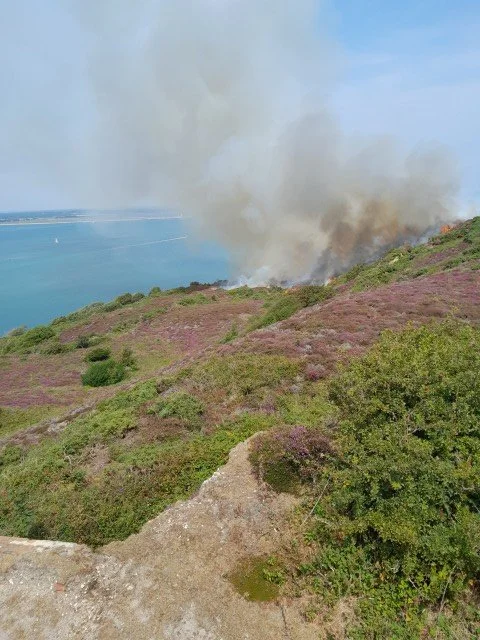
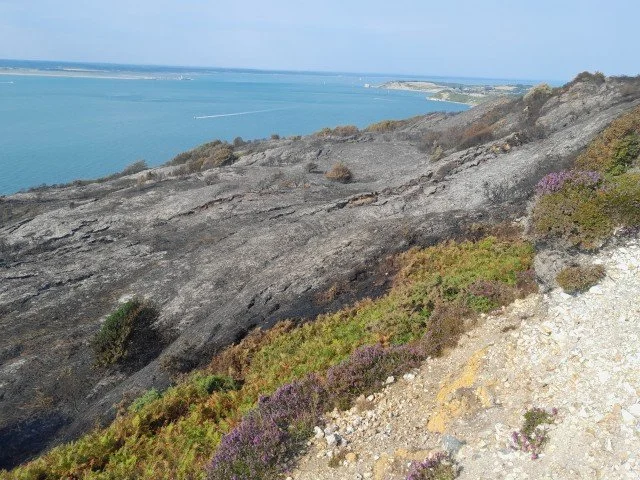
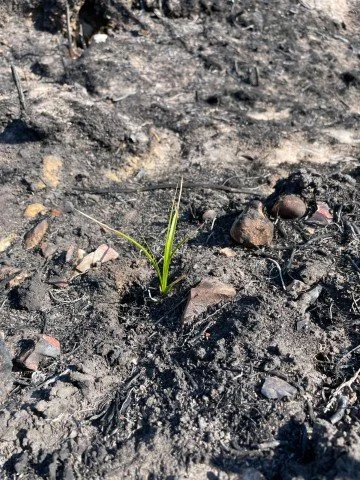
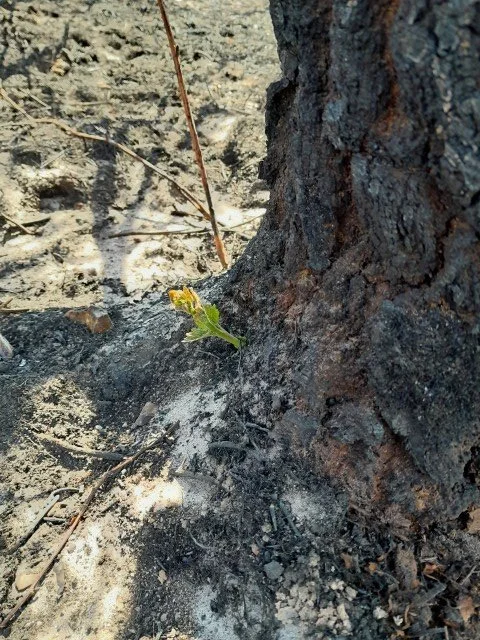
Images courtesy of Paul Davies
Living Shores brings coastal wildlife into public art
A new nature and arts project is connecting young people with Ryde’s shoreline wildlife, with plans for public artwork at Ryde Esplanade.
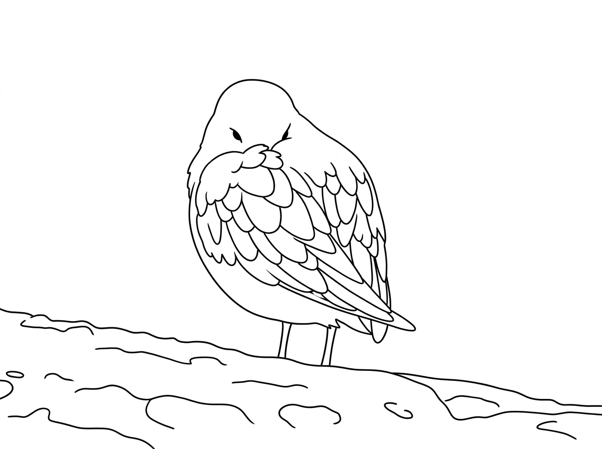
Supported by the Community Rail Partnership, Living Shores: The Sea that Joins Us celebrates the Isle of Wight Biosphere's coastal heritage and wildlife, with a particular focus on Ryde Sands and its Sanderlings.
Artists Spike Oatley and Joanne Kori are working with Year 6 pupils at Dover Street and Greenmount Primary Schools. The programme began with introductions from The Common Space to biodiversity, the Biosphere, the Local Nature Recovery Strategy and Ryde’s wildlife, in schools and at the Community Rail Partnership’s annual community event.
The project will create large sculptural relief panels for railings overlooking the railway line at Ryde Esplanade. Featuring Sanderlings and other coastal wildlife, the panels will incorporate an Artecology-influenced bioreceptive finish. An interpretation board and QR code will connect visitors with the featured wildlife and wider conservation work.
A closer look through art
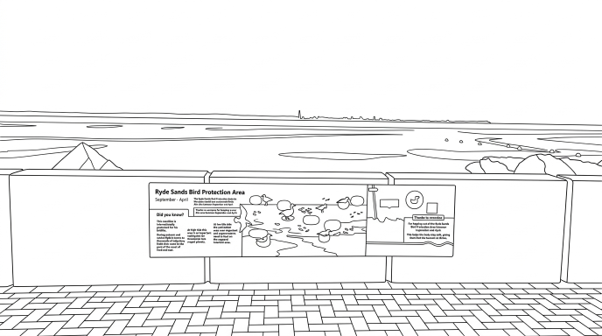
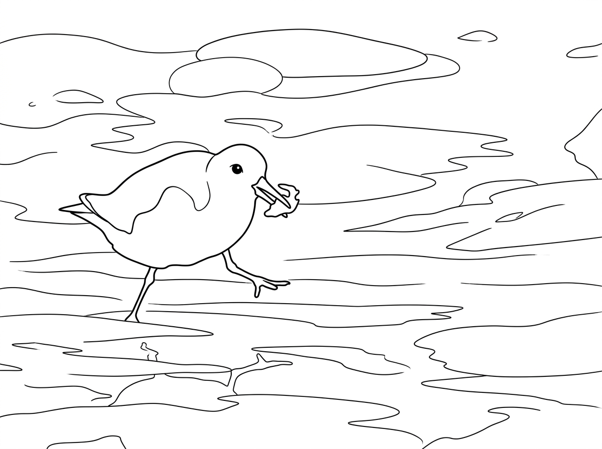
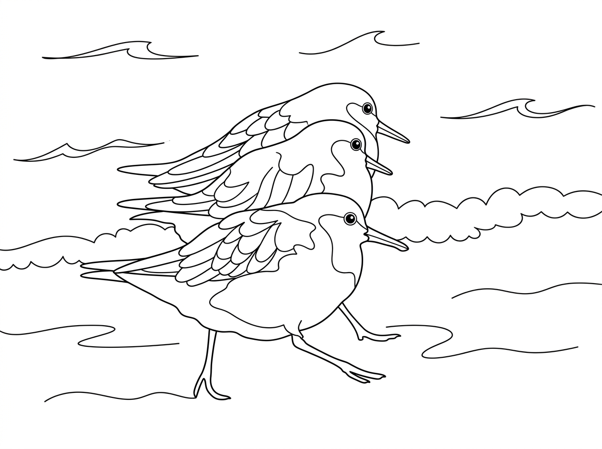
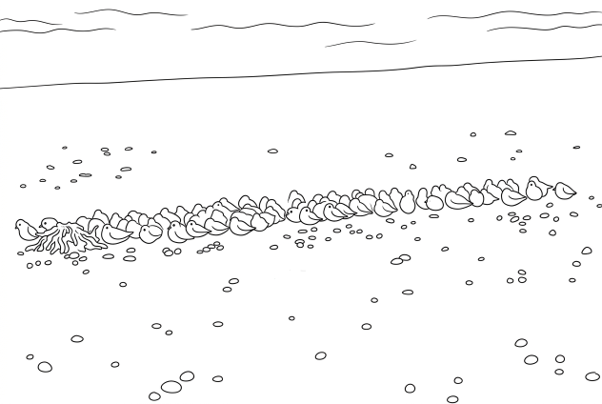
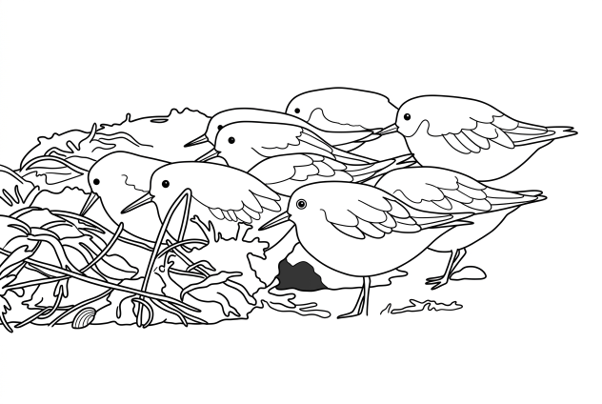
Joanne Kori has also translated shoreline bird photographs into line drawings for pupils at Greenmount. The illustrations capture birds feeding, resting and taking flight, alongside views of Ryde Sands and its wildlife protection signs.
Seen beside the photographs, the drawings offer a way to explore the birds’ shapes, feather patterns and behaviour, connecting creative activity with the coast on the pupils’ doorstep.
Godshill Scouts make space for nature
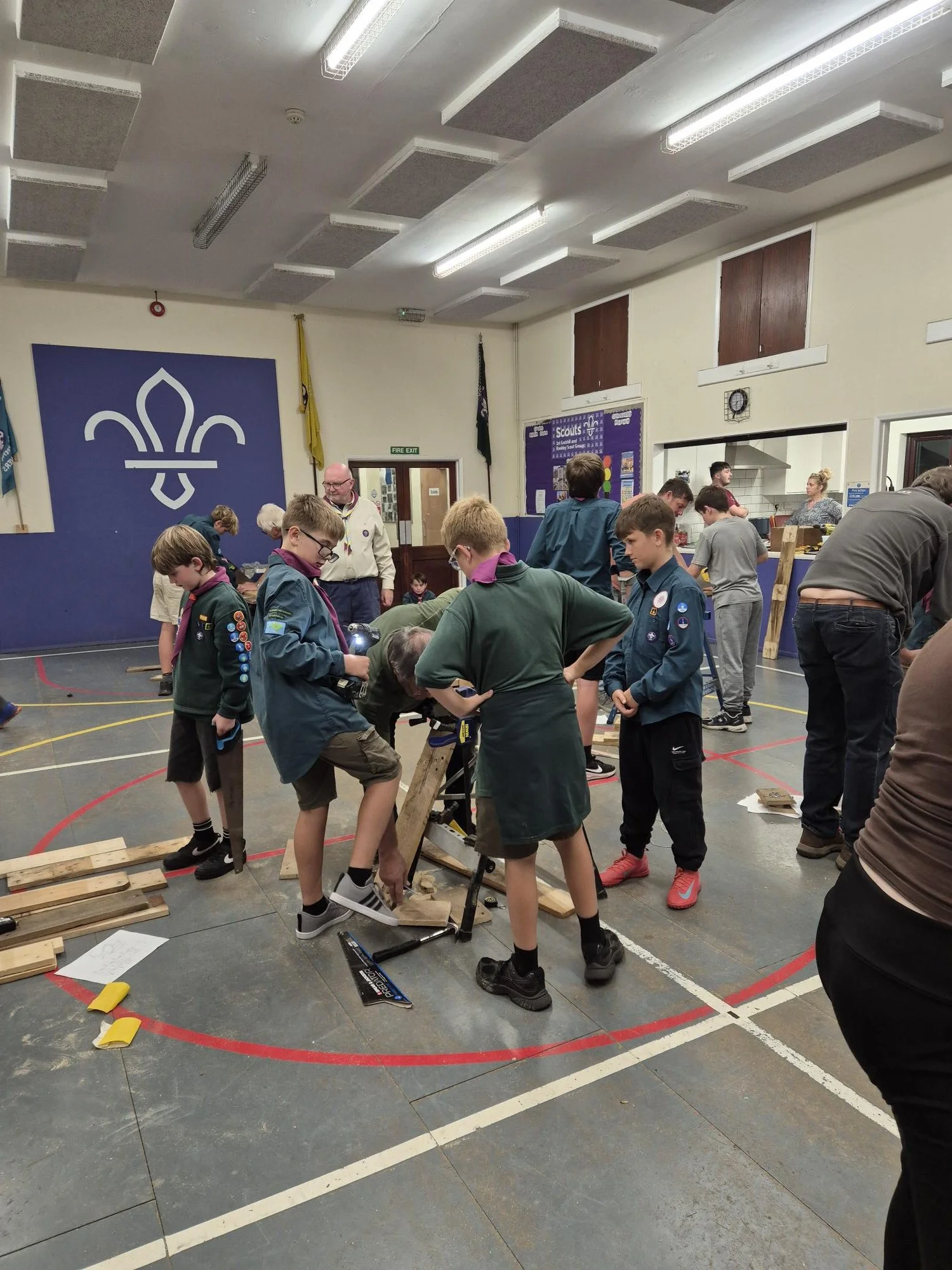
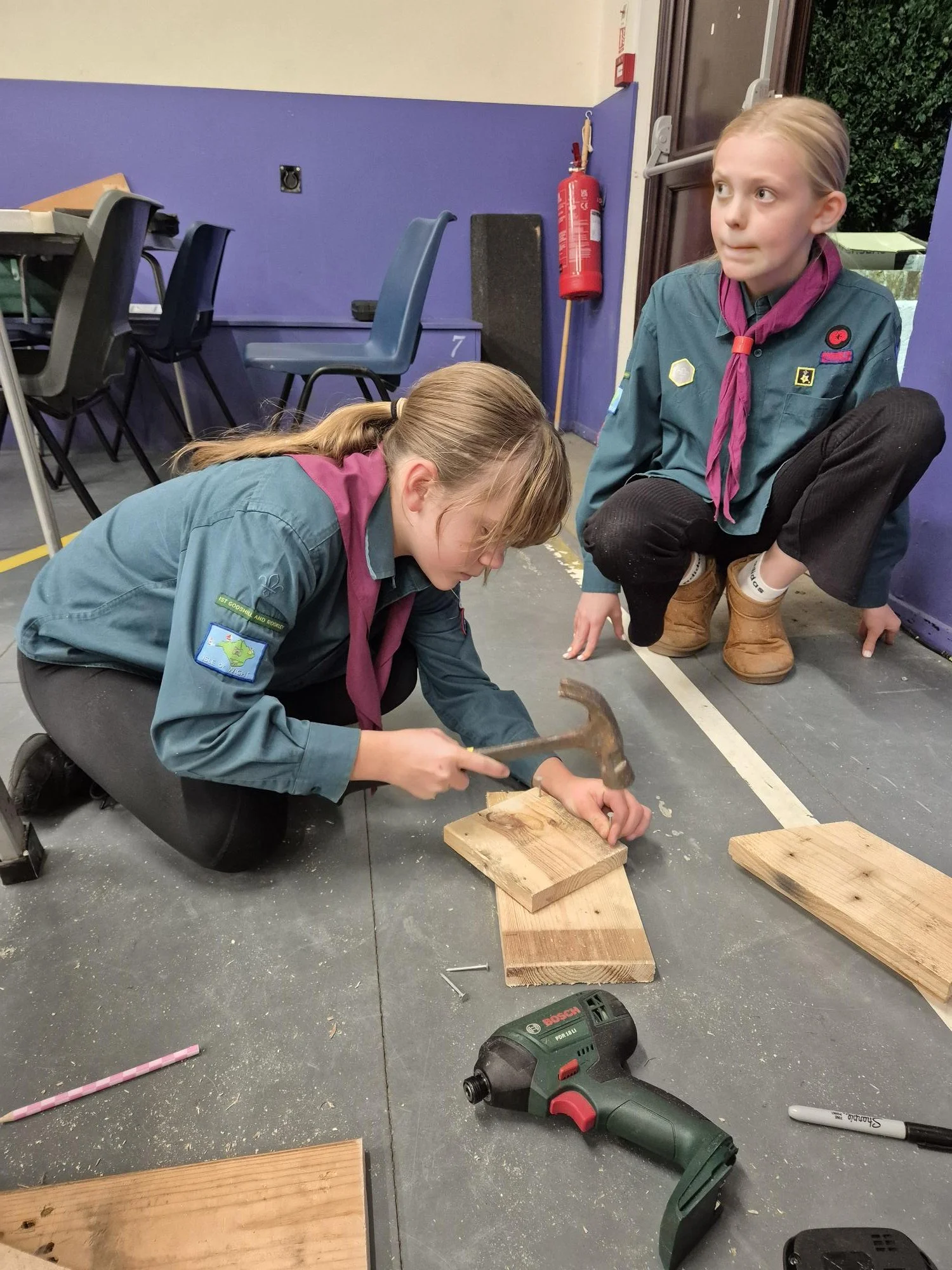
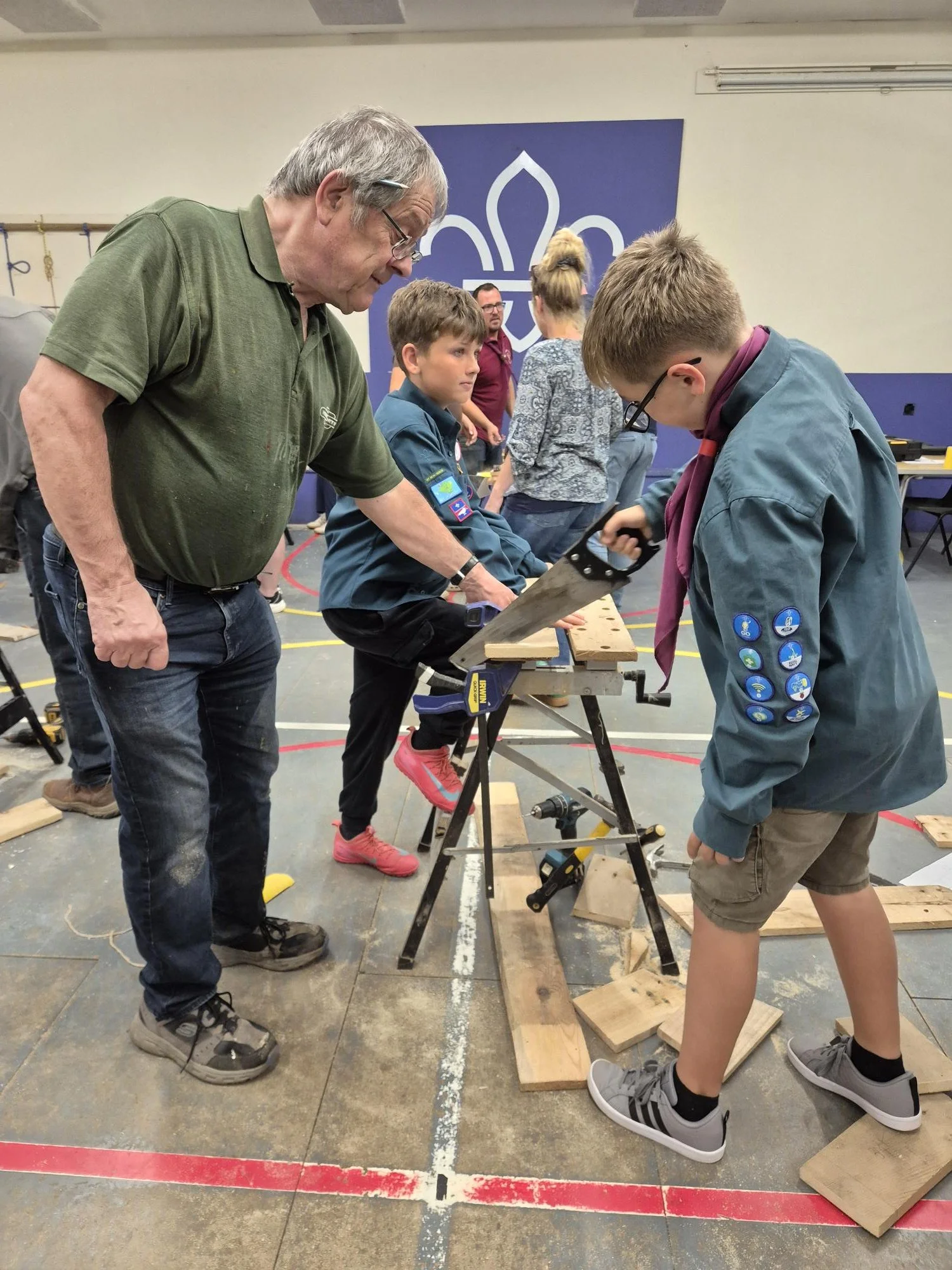
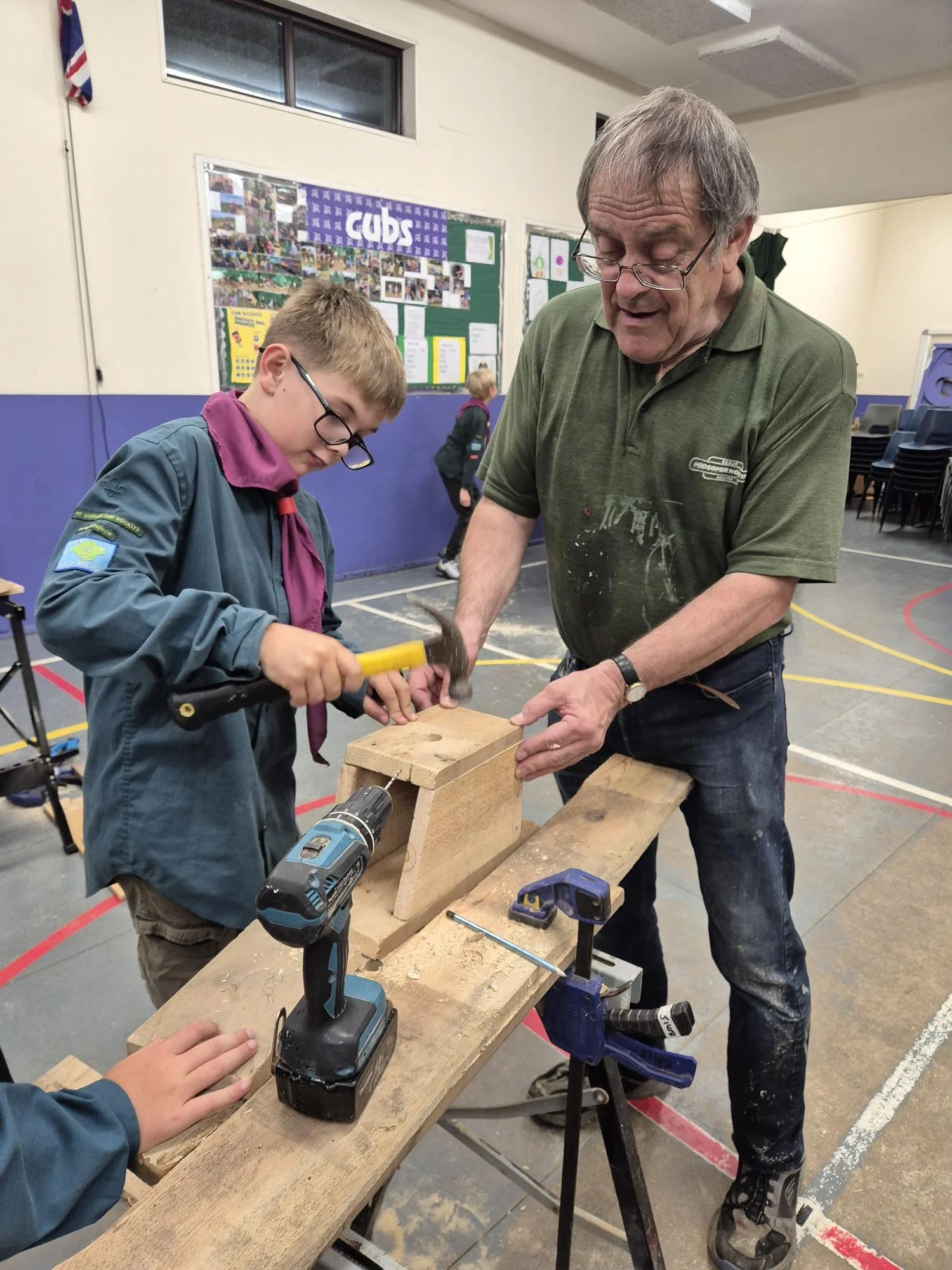
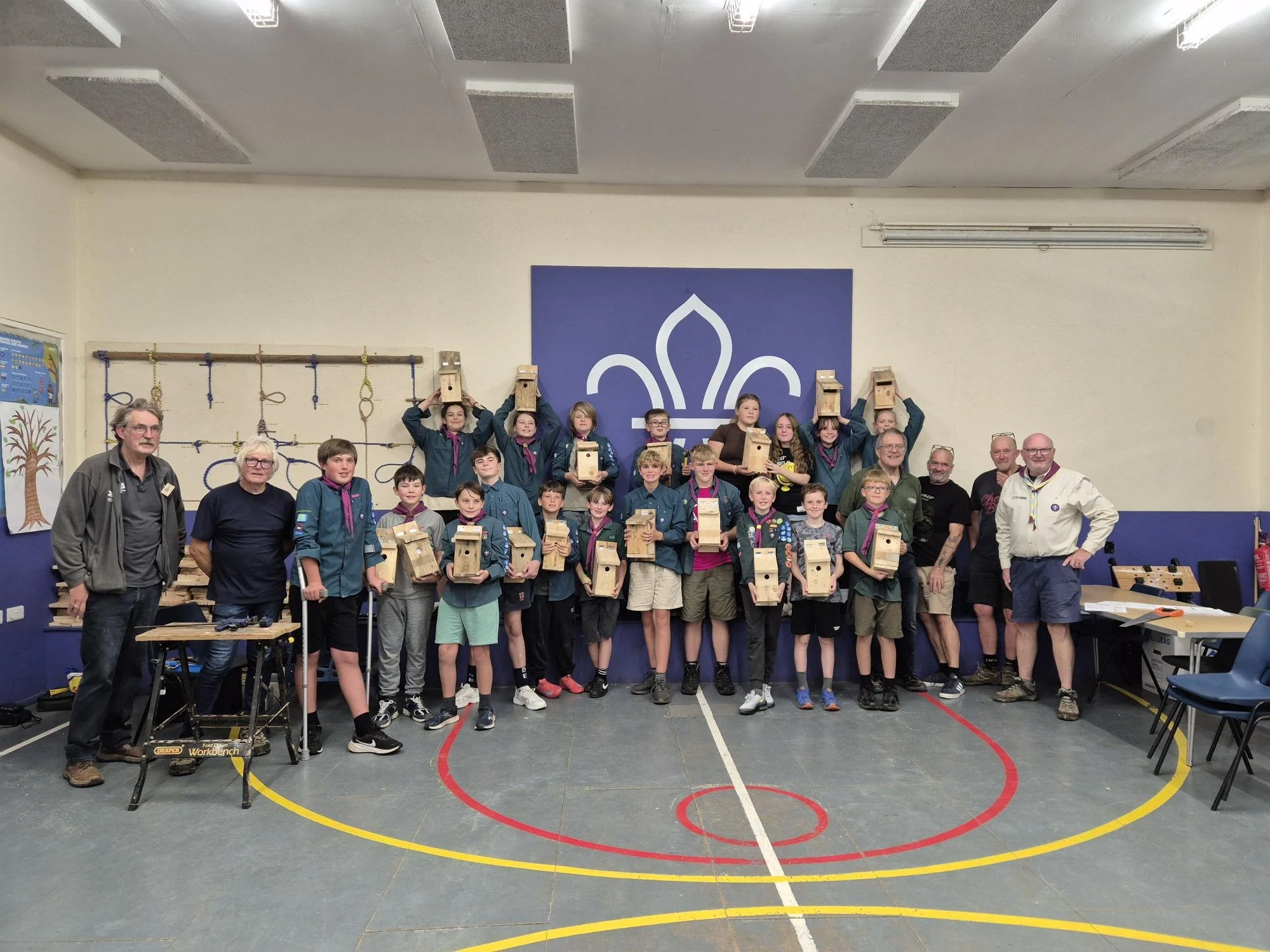
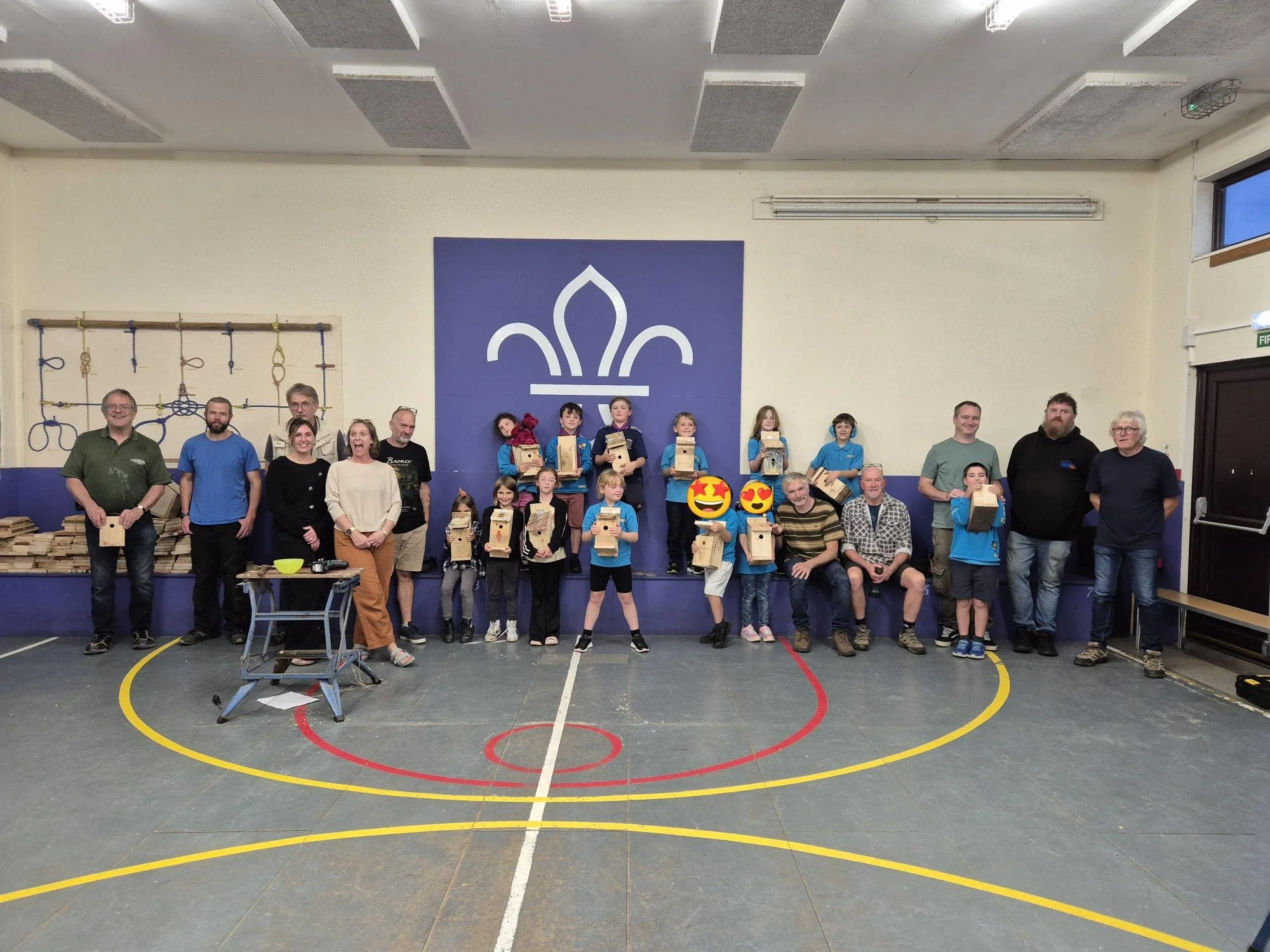
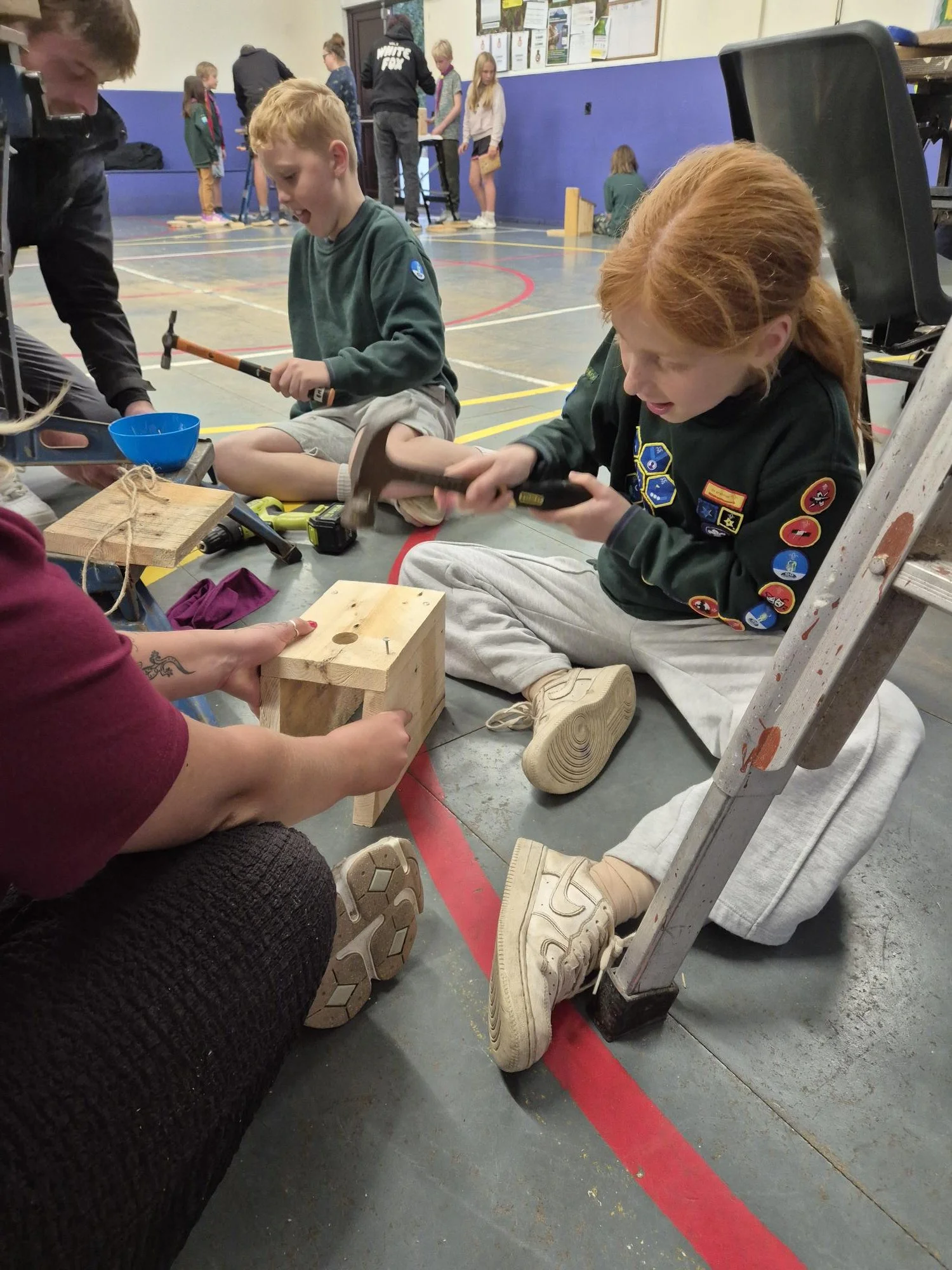
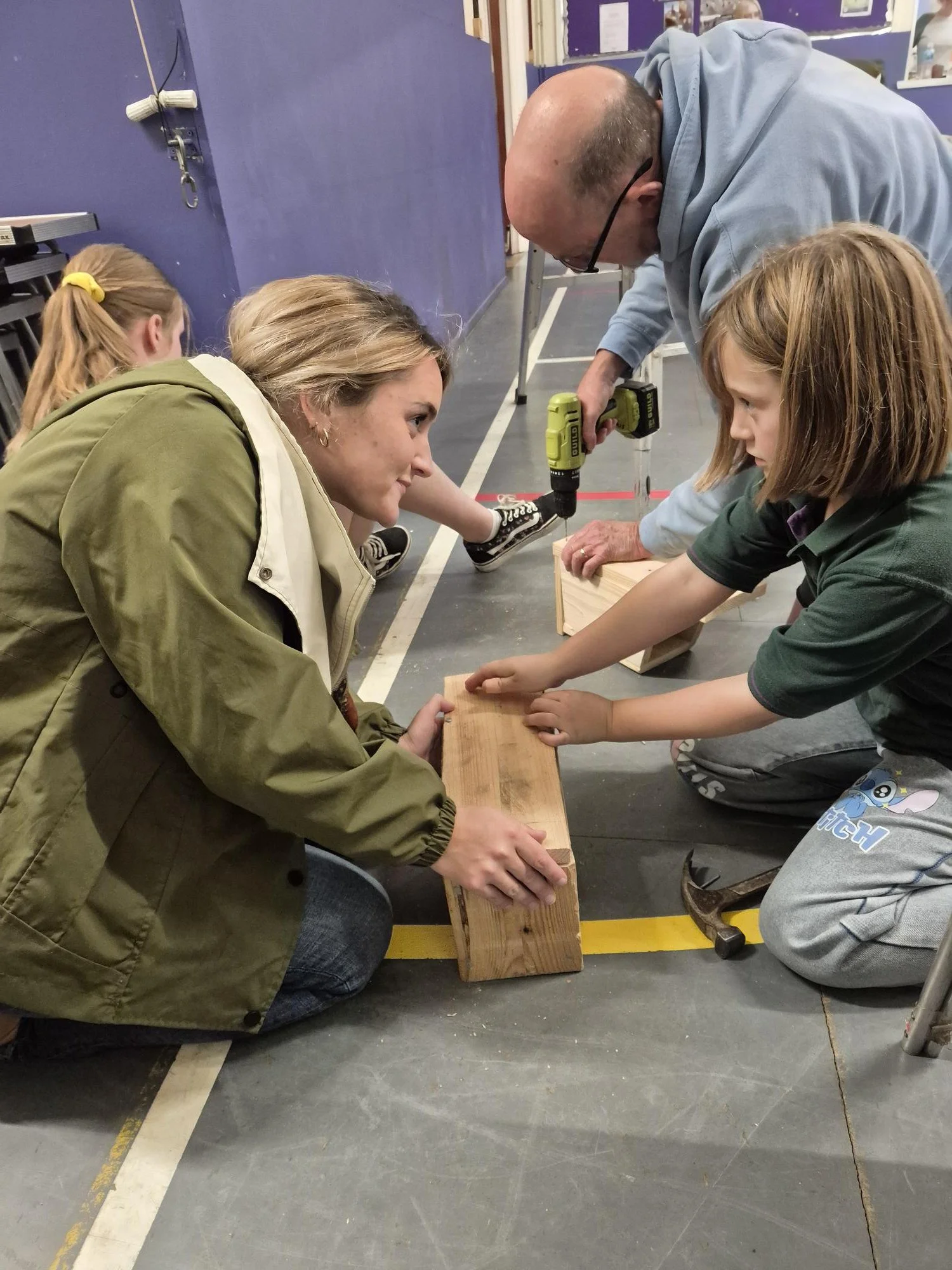
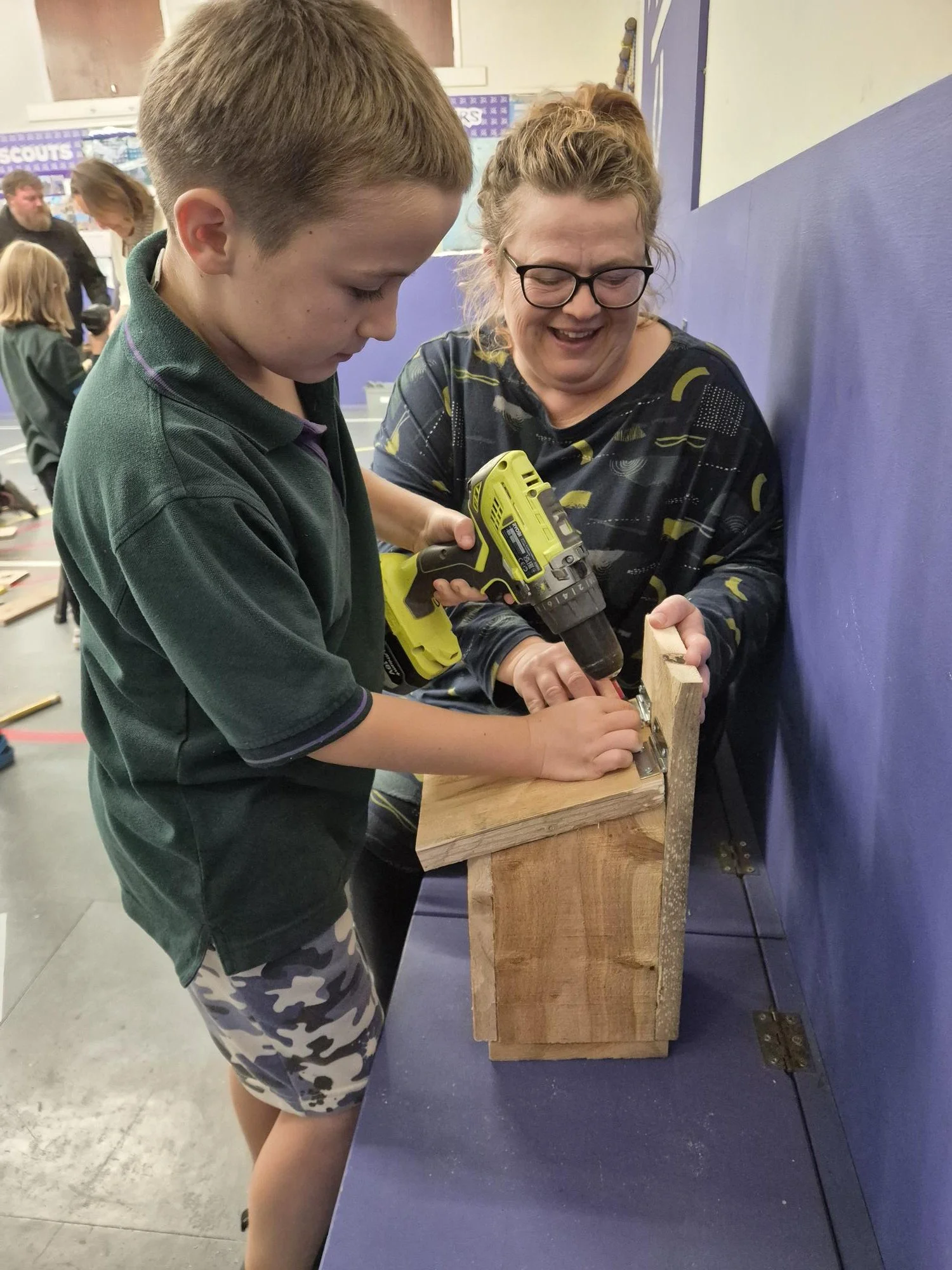
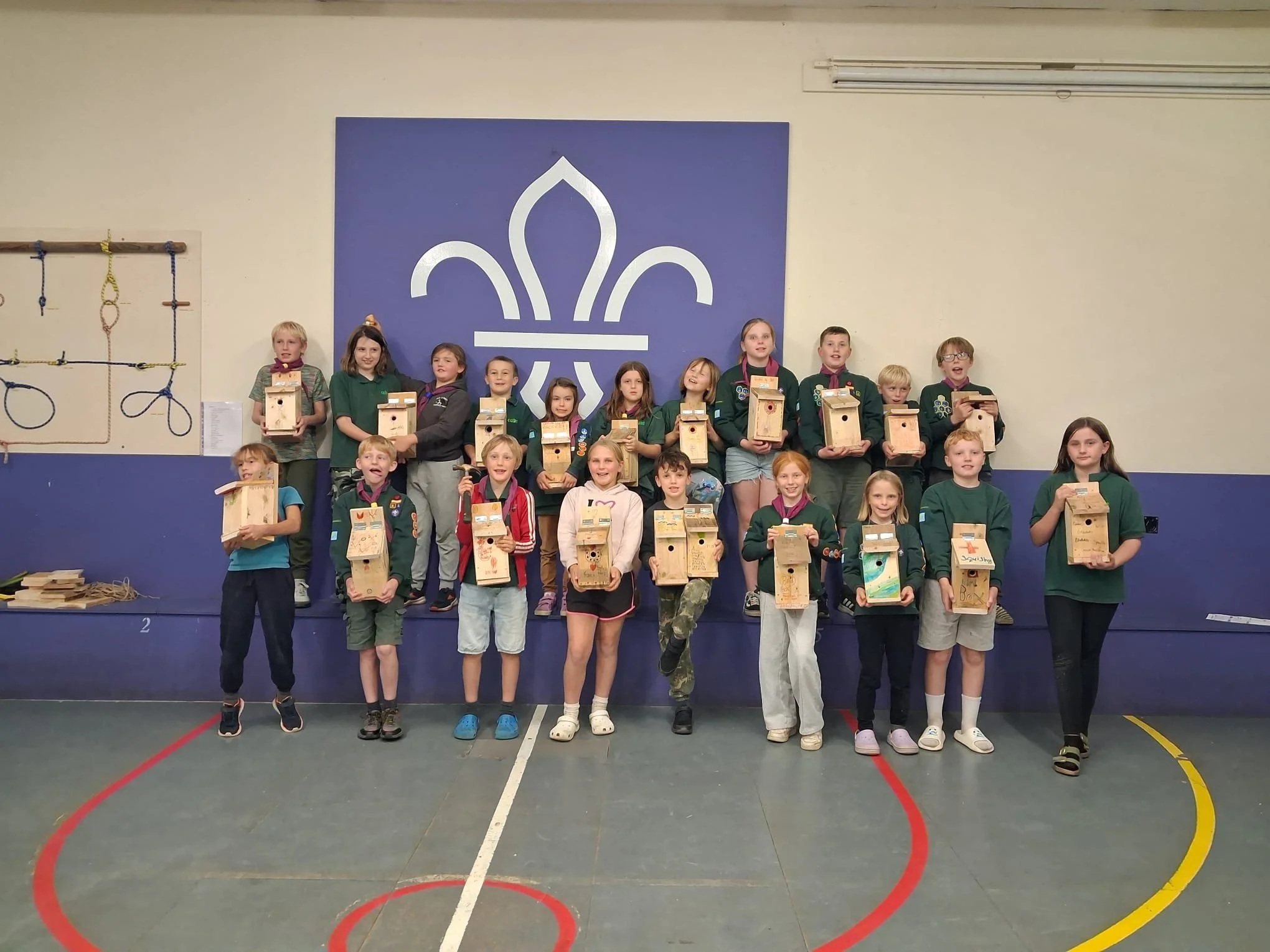
Around 75 young people from 1st Godshill Scouts have built bird boxes using Wildlife Trust designs and reclaimed pallet wood, in a project inspired by the Greening Campaign’s Spaces for Nature initiative. Volunteers from Brighstone Men in Sheds joined leaders, parents and community helpers to support the sessions. The activity combined woodworking skills with practical action for wildlife, supporting the Island’s Local Nature Recovery Strategy. The group has created a bird-themed activity sheet and is developing a case study to help other Scout groups repeat the project.